
Women Power At The Helm: Delhi’s Top 3 Central Government Hospitals Appoint Female Directors For The First Time
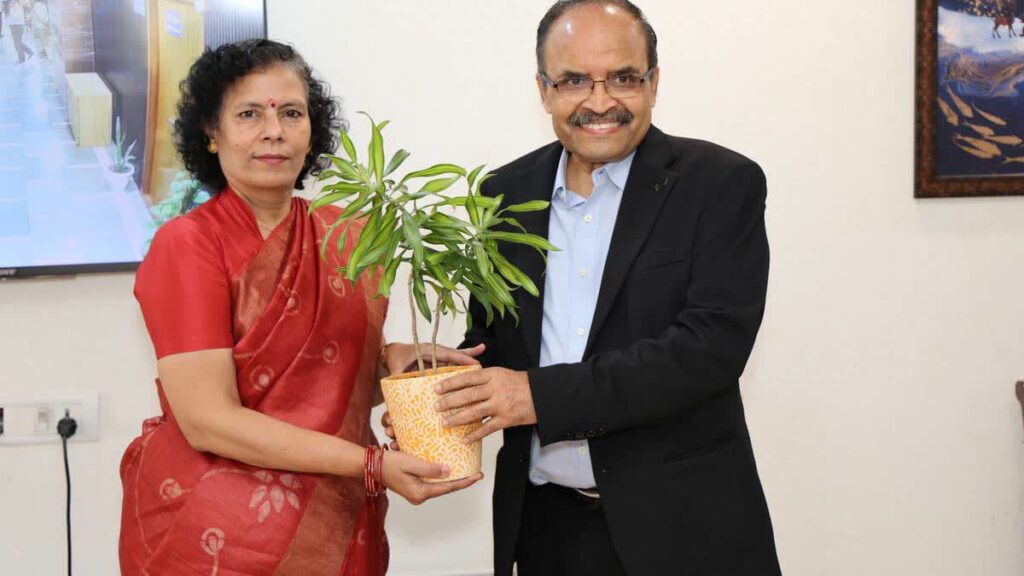
In a monumental shift for Indian healthcare administration, the Union Health Ministry handed leadership of New Delhi’s three largest central government hospitals to women doctors.
For the first time in history, female medical professionals will simultaneously head Dr Ram Manohar Lohia (RML) Hospital, Vardhman Mahavir Medical College (VMMC) & Safdarjung Hospital, and Lady Hardinge Medical College (LHMC).
Meet the Pioneers Steering Capital’s Healthcare
The Union Health Ministry confirmed that these appointments will remain effective until the doctors reach the age of 62, or until further ministry directives.
- Prof. Dr Akhilandeshwari Prasad now leads Dr Ram Manohar Lohia Hospital, taking over from Dr Ashok Kumar Dewan. She previously worked as a professor in the Radio Diagnosis department. Her immediate priority is expanding the operational capacity of the new Super Speciality Block. She also aims to introduce cutting-edge digital medical technologies.
- Dr Kavita Rani Sharma is the new permanent director of VMMC & Safdarjung Hospital. She previously served as the director of the Anaesthesia department. Her appointment follows the completion of Dr Sandeep Bansal’s tenure. She has already been managing operations effectively as the acting director.
- Dr. Himani Ahluwalia is the new Director of Lady Hardinge Medical College. She previously served as a professor in the Physiology department. She will officially succeed the current Director, Dr. Sarita Beri, taking charge of the historic institution.
A New Era for Medical Governance
Managing these landmark healthcare institutes is an immense administrative challenge, given that they collectively cater to tens of thousands of outstation and local patients daily in their OPD and emergency wings. Medical fraternity experts suggest that bringing experienced women physicians to top executive positions will foster an environment of empathetic governance, sharper clinical monitoring, and operational transparency. Furthermore, it serves as a powerful inspiration for thousands of female medical students and junior resident doctors nationwide.

Conclusion
This coordinated appointment marks a progressive milestone in India’s medical governance history. Entrusting the capital’s backbone healthcare infrastructure to these three female leaders underscores a growing trust in women managing complex public systems.
As these institutions face modern demands, this new wave of leadership will steer Delhi’s public health delivery forward. They will focus on creating a highly efficient, technology-driven future.