
‘Operation Keechad’: Congress Slams BJP Over High-Profile Defections and MP Siphoning in Maharashtra and Bengal
The Political Context of “Operation Mud”
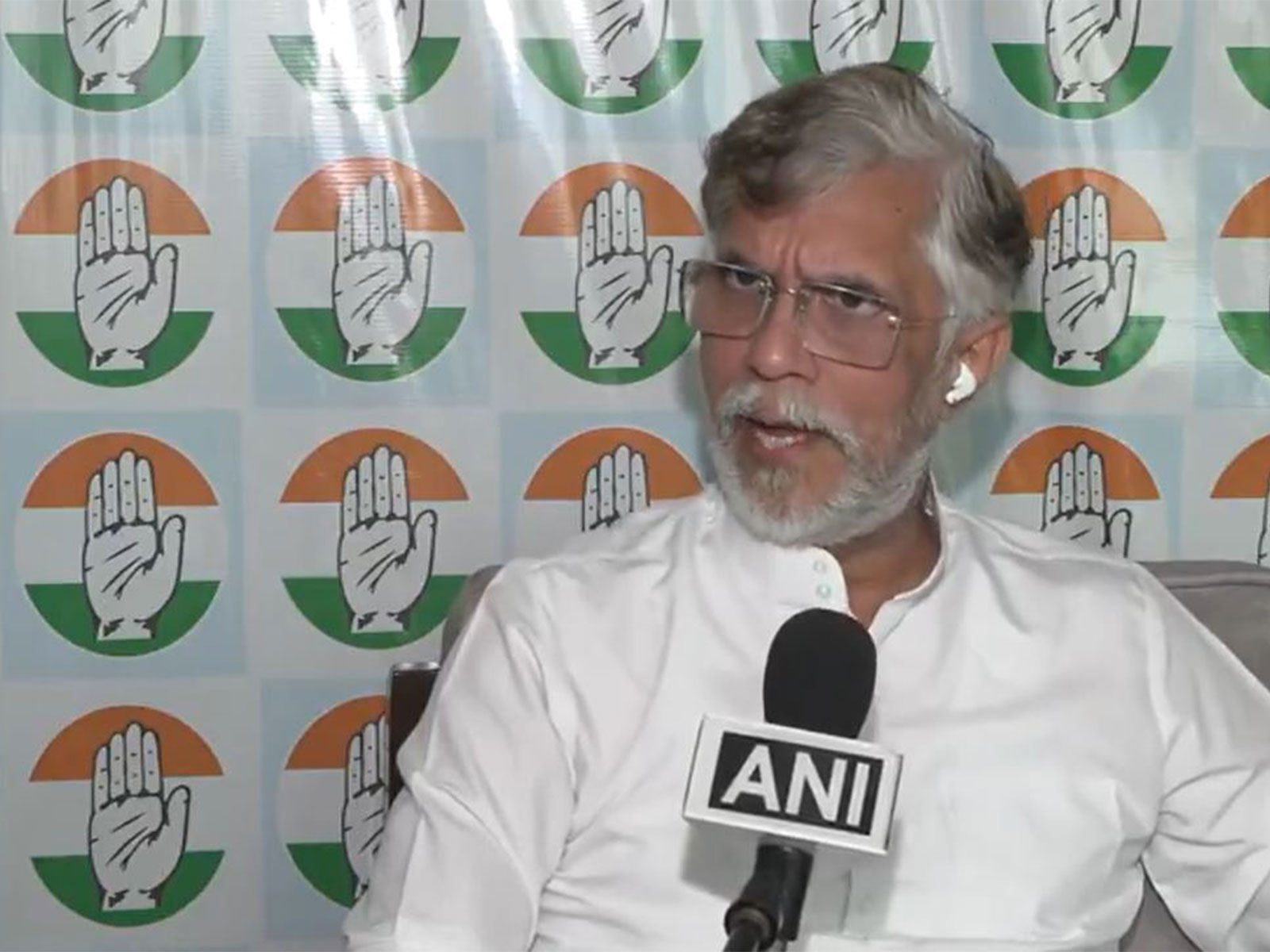
The political war of words erupted immediately after major internal rebellions fractured prominent opposition parties in the INDIA bloc. Pawan Khera coined the phrase “Operation Keechad” to directly mock the BJP’s traditional “Operation Lotus” terminology.
“Where the lotus cannot bloom naturally, mud is being forcibly spread to make it grow. This is Operation Keechad,” Khera stated during a press briefing. He alleged that the BJP’s leadership is acting out of wounded pride. This stems from failing to achieve their highly publicised “400 Paar” target. Consequently, they remain stuck at 240 seats.
Massive Blows to the INDIA Alliance
The war over defections has intensified due to rapid structural changes happening on the ground inside key opposition camps:
- The Maharashtra Fracture: In a major blow to Uddhav Thackeray, six out of nine Shiv Sena (UBT) Lok Sabha members skipped vital parliamentary party meetings to cross over to Maharashtra Chief Minister Eknath Shinde’s faction, choosing to extend formal alliance support to the ruling NDA.
- The Bengal Exodus: Mamata Banerjee’s Trinamool Congress suffered an even larger desertion. A faction of 20 Lok Sabha members broke away from the party leadership, designating Kakoli Dastidar as their head to support the treasury benches.
- The Weaponisation of Files: Congress leaders further allege that “Operation Keechad” acts as a political washing machine. Khera claimed that as soon as a leader switches sides to the BJP to escape investigative scrutiny, authorities abruptly seal all active enforcement files against them.

The BJP Rebuttal
The BJP has firmly rejected the “Operation Keechad” label, pointing out internal structural failures within the opposition parties instead. BJP representatives noted that leaders are leaving because autocratic family-led dynamics inside regional parties like the TMC and Shiv Sena (UBT) dissatisfy them.
Treasury bench defenders retorted that if elected MPs are willingly choosing to support the Prime Minister’s national agenda, it highlights political consensus rather than coercion.
Conclusion
The fierce political row over “Operation Keechad” underscores the extreme instability defining the early tenure of the current coalition government. While Congress frames these defections as a direct threat to constitutional integrity and fair democratic mandates, the ruling NDA continues to consolidate its parliamentary cushion. Regional parties are currently navigating heavy internal rebellions. Consequently, the battle over legislative numbers is bound to intensify. This conflict will escalate ahead of upcoming state assembly elections.