Global Peace Envoy: India Reaffirms Unflinching Commitment to UN Peacekeeping Missions
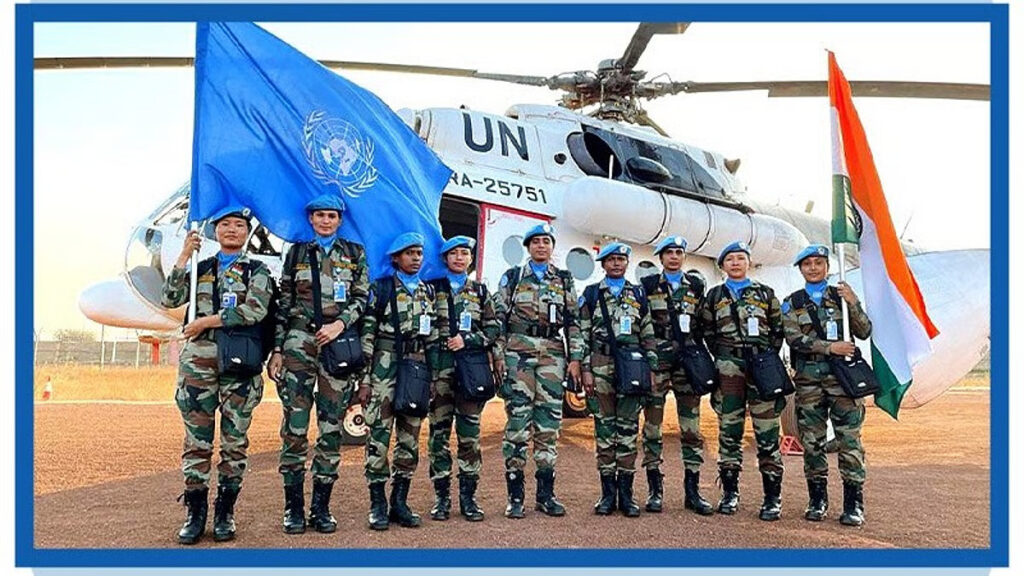
Reiterating its historic and foundational role in global diplomacy, India has officially reaffirmed its “unflinching commitment” to United Nations Peacekeeping operations. Speaking at a solemn commemorative event co-hosted by the permanent missions of India and Austria to mark the International Day of UN Peacekeepers on May 29, 2026, India’s Permanent Representative to the UN, Ambassador Harish Parvathaneni, emphasised that Indian “Blue Helmets” remain the trusted face of crisis mitigation globally. The nation paid deep homage to its fallen soldiers, recognizing that Indian personnel have historically made the highest number of ultimate sacrifices among all troop-contributing countries.
A Legacy of Sacrifice and Active Deployment
India’s relationship with UN peacekeeping operations spans more than seven decades, beginning in the 1950s. The country’s historical track record reflects a steady commitment to maintaining international law and civilian safety:
- Unrivaled Troop Mobilization: India has sent over 290,000 peacekeepers to more than 50 separate international operations worldwide.
- Dangerous Field Presence: Currently, more than 5,300 active Indian military and police personnel are deployed across some of the most dangerous and hostile conflict zones globally, including dynamic missions in the Middle East and Africa.
- Supreme Sacrifice: Nearly 180 Indian soldiers have laid down their lives under the UN flag, a stark testament to the nation’s profound commitment to global security.
Championing Women, Peace, and Security
A defining pillar of India’s modern peacekeeping strategy is its leading role in enhancing female participation in international military operations. India historically deployed the world’s first all-female formed police unit to Liberia in 2007.
Continuing this proud tradition, the 2026 ceremony highlighted a significant individual milestone. Specifically, Major Abhilasha Barak was selected to receive the prestigious United Nations Military Gender Advocate of the Year Award. Consequently, she earned this global distinction for her outstanding work with the United Nations Interim Force in Lebanon (UNIFIL). Ultimately, this achievement highlights India’s commitment to integrating women into core operational and strategic decision-making roles.
Call for Structural Reforms and Tech Integration
While honouring field operations, Ambassador Harish Parvathaneni stressed that peacekeeping must evolve alongside modern warfare. In particular, India used the global platform to call for zero-tolerance policies regarding civilian casualties. Additionally, the delegation demanded absolute protection for humanitarian and medical workers operating in high-risk zones. Furthermore, they pointed out that the deployment of emerging artificial intelligence (AI) systems by conflicting parties poses new risks. Consequently, they argued that these autonomous technologies must remain fully compliant with international humanitarian laws. In doing so, India reinforced its commitment to global safety standards. India continues to advocate for sweeping text reforms within the UN Security Council to make operations more transparent, agile, and aligned with current geopolitical realities.
Conclusion
India’s renewed pledge on International Day of UN Peacekeepers underscores its position as an indispensable pillar of international cooperative security. India pairs extensive, high-risk troop deployments with groundbreaking gender inclusivity. For instance, Major Abhilasha Barak recently achieved historic recognition in this field. Through these actions, the country turns its philosophy of “Vasudhaiva Kutumbakam” into practical action. This ancient guiding principle translates to “The World is One Family.” Meanwhile, contemporary global conflicts are growing increasingly fragmented. Therefore, India’s disciplined, highly professional Blue Helmets remain critical. Ultimately, their presence guides the United Nations’ humanitarian mandates toward stable political solutions.