
Breast Cancer Awareness Among Young Women: Why Early Detection Matters?
BY LINE: SAGUFTA RANI
Breast cancer is one of the most common cancers affecting women around the world. Many people think that breast cancer is only a disease that affects older women, but this is not always true. Young women can also develop breast cancer, which is why awareness and early detection are important at every age.
Being aware of breast health does not mean living in fear. It means understanding your body, knowing the possible warning signs, and seeking medical advice when something feels unusual.
Why Should Young Women Know About Breast Cancer?
Breast cancer can sometimes develop without causing obvious symptoms in the early stages. This is why knowing about breast health is important.
Young women often have busy lives with studies, jobs, family responsibilities, and social activities. Because of this, they may ignore changes in their bodies or think that a breast lump or pain is nothing serious.
However, noticing an unusual change and getting it checked by a healthcare professional can make an important difference.
Awareness helps women:
- Understand the normal appearance and feel of their breasts.
- Notice unusual changes early.
- Know when to speak to a doctor.
- Avoid ignoring possible warning signs.
- Make informed decisions about their health.
What Are the Common Warning Signs?
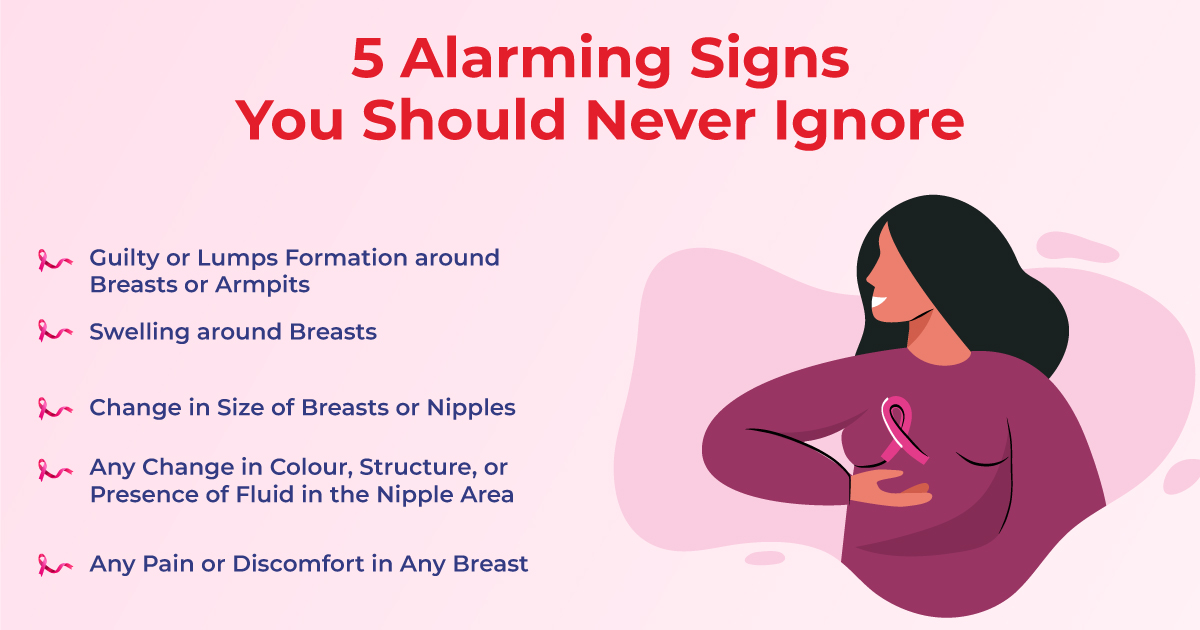
Breast cancer can appear differently in different people. A change does not necessarily mean cancer, but it should be checked by a healthcare professional.
Some possible warning signs include:
1. A New Lump in the Breast
A new lump or thick area in the breast or underarm can be a reason to seek medical advice. Many breast lumps are not cancerous, but it is important to have a new or unusual lump evaluated.
2. Changes in Breast Size or Shape
If one breast suddenly changes in size or shape without an obvious reason, it is worth discussing with a healthcare professional.
3. Changes in the Skin
Changes such as unusual redness, swelling, dimpling, or a texture that looks different from normal should not be ignored.
4. Changes in the Nipple
A nipple that becomes inverted, changes appearance, or develops an unusual discharge can be a warning sign that needs medical attention.
5. Persistent Breast Pain
Breast pain can happen for many reasons and is often not related to cancer. However, persistent or unusual pain should be discussed with a healthcare professional, especially if it occurs along with other changes.
What Does Early Detection Mean?
Early detection means finding a possible problem before it becomes more advanced. When breast cancer is detected early, treatment options may be more effective and the chances of successful treatment can be better.
Early detection can involve:
- Knowing how your breasts normally look and feel.
- Paying attention to unusual changes.
- Clinical breast examinations when recommended.
- Following screening recommendations appropriate for your age and personal risk.
It is important to remember that screening recommendations can differ depending on age, family history, personal risk, and local medical guidelines. A healthcare professional can help determine what is appropriate for you.
Breast Self-Awareness: A Simple Habit
Young women can develop breast self-awareness by becoming familiar with how their breasts normally look and feel.
You can pay attention to changes while dressing, bathing, or during your normal routine. There is no need to constantly check your breasts or become anxious about every small change.
The main idea is simple:
Know what is normal for you and notice if something changes.
If you notice a new or unusual change, do not panic. Many breast changes are caused by conditions other than cancer. However, it is important to consult a healthcare professional rather than trying to diagnose yourself.
Why Awareness Programs Matter
Breast cancer awareness programs can help women learn about prevention, early detection, screening, and healthy habits.
Awareness becomes even more valuable when information is shared in colleges, universities, workplaces, communities, and healthcare centers. Young women who receive correct information can also share it with their mothers, sisters, friends, and other family members.
For example, educational initiatives such as breast health awareness sessions and self-examination demonstrations can encourage women to understand their bodies and seek medical advice when needed.
Breaking the Fear Around Breast Cancer
Talking about breast cancer openly is important. Some women may feel uncomfortable discussing breast changes or may be afraid of finding something unusual.
This fear can sometimes lead to delays in seeking medical advice.
Breast health should be treated like any other part of our health. Asking questions, visiting a doctor, and getting appropriate screening should not be something to feel embarrassed about.
Awareness is not about creating fear. Awareness is about creating confidence and encouraging women to take care of their health.
How Can Young Women Take Care of Their Breast Health?
There are several simple steps young women can follow:
- Know your body: Become familiar with how your breasts normally look and feel.
- Do not ignore changes: Report new or unusual changes to a healthcare professional.
- Know your family history: Tell your doctor if breast or ovarian cancer runs in your family.
- Follow medical advice: Ask a healthcare professional about screening based on your age and risk.
- Maintain a healthy lifestyle: Regular physical activity, a balanced diet, healthy body weight, and avoiding tobacco can support overall health.
- Share information: Encourage friends and family members to learn about breast health.