
IAF Transport Plane Splinters and Catches Fire in Critical Landing Accident at Jorhat Airbase

Emergency Response Deployed to Contain Airbase Blaze
The crash took place inside the operational parameters of the Indian Air Force base in the Rowriah area of Jorhat. Consequently, base emergency alert sirens were triggered immediately, allowing heavy firefighting teams and military rescue squads to saturate the landing strip. While thick plumes of smoke billowed from the fractured fuselage, response teams actively battled the fuel fire to prevent explosions and reach the flight compartment.
Senior IAF officials from the Eastern Air Command rushed directly to the crash site to supervise the defensive perimeters. Instead of releasing preliminary passenger counts, base security locked down access points to prioritise clearing structural hazards. The precise number of aircrew and personnel onboard the transport flight remains unconfirmed as emergency teams systematically search the wreckage.
The Workhorse of Regional Logistics
The twin-engine, Soviet-designed Antonov AN-32 is historically recognised as the primary logistical spine of India’s northeastern border defence network. Furthermore, the IAF relies heavily on this fleet to move up to 7.5 tonnes of cargo or 50 passengers into extremely high-altitude landing grounds.
In this manner, the aircraft regularly maintains vital supply corridors across Arunachal Pradesh and Assam. However, this specific crash adds to a series of notable regional aviation incidents. This includes a prior Su-30MKI fighter jet crash that originated from the very same Jorhat runway.
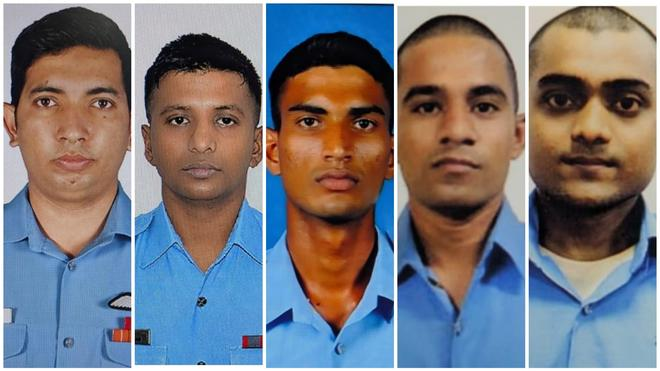
Official Investigation Ordered
Air Force authorities have officially initiated a high-level Court of Inquiry to reconstruct the landing sequence. Consequently, investigators will meticulously inspect local weather records, evaluate potential crosswind shifts, and review maintenance logs for mechanical failure. Technical teams plan to salvage the flight data recorders from the tail section as soon as the fuselage structure cools completely.
Conclusion
The severe crash of the AN-32 at the Rowriah airbase highlights ongoing operational strains. It also brings attention to technical challenges. Navigating older medium-lift transport assets through demanding regional corridors creates these critical technical issues.
The immediate response effectively suppressed a catastrophic fuel explosion. However, the structural failure of the plane emphasises the immense physical forces involved in the landing failure. Moving forward, the findings from the Court of Inquiry will be vital. They will guide the review of current tactical landing procedures. Ultimately, these lessons will help maintain fleet safety across India’s strategic frontiers.