
India–Canada Migration and Mobility Dialogue 2026: Key Takeaways
BY LINE: Sagufta Rani
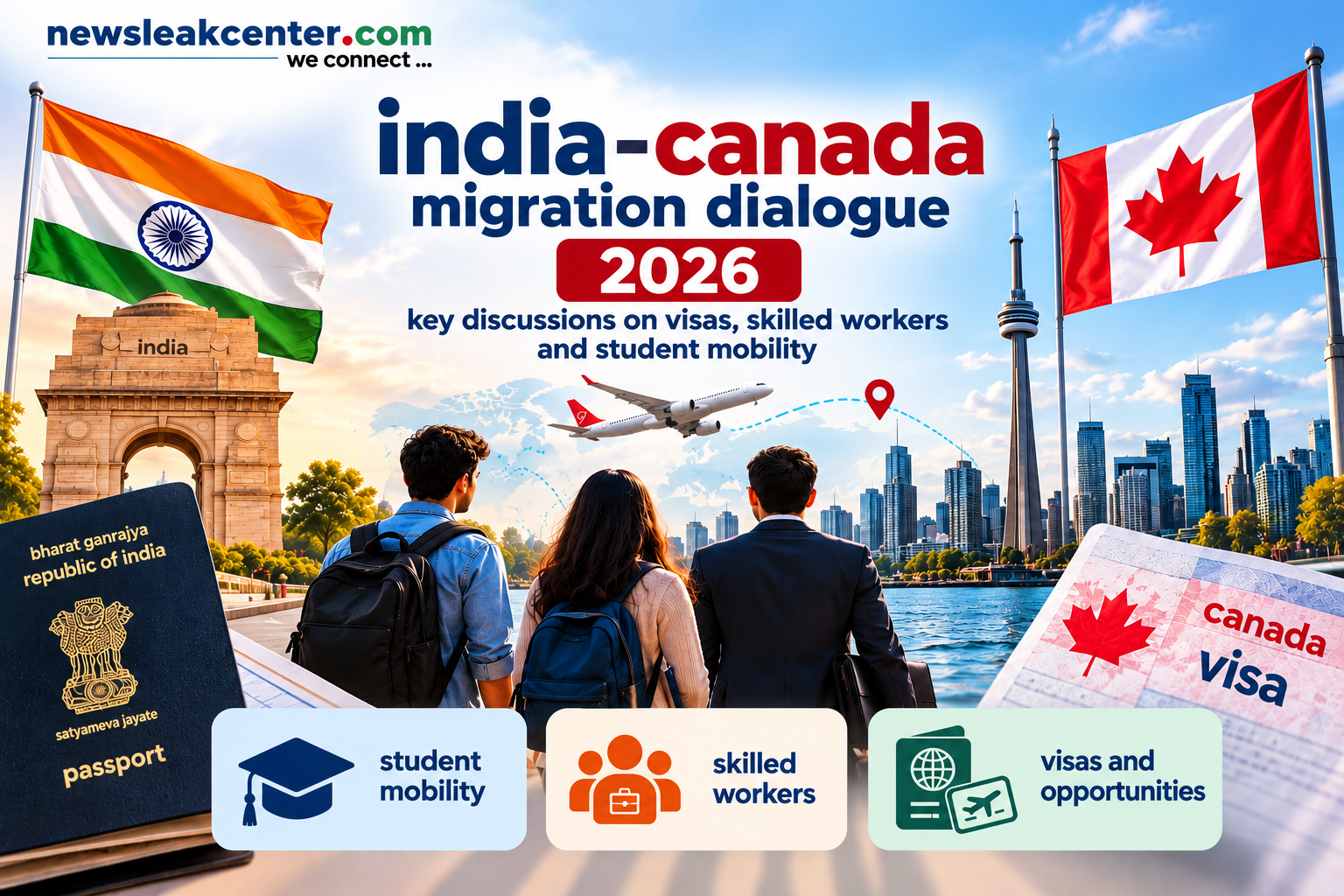
India and Canada have taken a new step towards improving migration cooperation. On October 26, 2026, both countries held their first India–Canada Migration and Mobility Dialogue in New Delhi. The meeting focused on student mobility, skilled workers, professionals, business visitors, and migration management. No new visa rules were announced during the dialogue.
This dialogue is important for Indian students, job seekers, skilled professionals, and people planning to move to Canada for education or work.
No New Canada Visa Rules Announced
The India–Canada Migration and Mobility Dialogue is a formal platform where both governments discuss migration-related matters and opportunities for people to move between the two countries.
The first meeting was co-chaired by Sripriya Ranganathan from India’s Ministry of External Affairs and Ted Gallivan from Canada’s immigration department.
Both countries agreed to hold the dialogue annually. A Joint Working Group on Migration and Mobility will support future discussions. The next meeting is planned to take place in Canada.
According to official reports, the discussions aimed to strengthen people-to-people connections and improve cooperation on migration management.
1. Canada Visa Updates 2026: What Should Applicants Know?
Canada visa updates are important for people who want to visit, study, or work in Canada.
During the migration dialogue, both countries discussed ways to support mobility and improve migration management. However, the first meeting did not announce any new visa category or specific change to visa rules. People planning to apply for a Canadian visa should continue to follow the existing official requirements.
Important points to check include:
- Canada visitor visa requirements
- Canada student visa and study permit rules
- Canada work permit eligibility
- Required documents and proof of funds
- Visa application fees and processing times
Applicants should always check official government websites before submitting their applications.
2. Skilled Workers and Job Opportunities in Canada
Skilled workers were one of the important areas discussed during the India–Canada Migration Dialogue 2026.
India has a large and young workforce, while Canada has its own labour market needs. Both countries discussed how better migration cooperation could support the movement of skilled workers and professionals.
Indian professionals interested in working in Canada should research opportunities in fields such as information technology, engineering, healthcare, and skilled trades.
How can Indian job seekers prepare?
- Develop relevant technical and professional skills.
- Create an updated resume.
- Search for jobs through trusted company websites.
- Check work permit requirements before applying.
- Verify job offers and employers carefully.
It is important to remember that the dialogue does not guarantee employment or a Canadian work permit. Applicants must meet the relevant eligibility requirements.
3. Student Mobility: What Indian Students Should Know
Canada is an important destination for international education, including students from India. Student mobility was one of the main topics discussed during the meeting. Better cooperation between India and Canada could support future discussions about educational opportunities and the movement of students between the two countries.
Students planning to study in Canada should take the following steps:
- Choose a suitable college or university.
- Check admission requirements and tuition fees.
- Review the latest study permit rules.
- Prepare financial documents and other required paperwork.
- Understand the rules for working during or after studies.
Important: The dialogue did not announce automatic study permit approval or guaranteed changes to student visa rules. Students should check the latest requirements before making financial or educational decisions.
4. Why Is This Dialogue Important for India and Canada?
The dialogue creates a regular platform for both governments to discuss migration and strengthen people-to-people connections.
It may help both countries identify areas for future cooperation involving students, skilled professionals, business visitors, and migration management.
The annual meetings and Joint Working Group provide a structure for continued discussions. However, the actual benefits will depend on the decisions and measures introduced in the future.
Advantages of India–Canada Migration Dialogue 2026
- Better Job Opportunities: Skilled Indian workers may explore career opportunities in Canada.
- Educational Opportunities: Indian students may benefit from improved cooperation in education.
- Stronger Relations: The dialogue can strengthen cooperation between India and Canada.
- Easy Communication: Regular meetings provide a platform to discuss migration-related issues.
- Professional Growth: International work and study opportunities may help people develop new skills.
- Better Migration Management: Both countries can work together to address migration challenges.
Note: These are potential benefits. The dialogue does not guarantee new visa benefits, jobs, or easier immigration.
Disadvantages of India–Canada Migration Dialogue 2026
- Visa Uncertainty: The dialogue does not guarantee visa approval or easier immigration.
- High Living Costs: Studying and living in Canada can be expensive.
- Job Competition: Indian professionals may face strong competition for jobs.
- Changing Immigration Rules: Future policy changes may affect applicants.
- Risk of Scams: Fake job offers and visa fraud can create problems.
- Family Separation: Moving abroad may mean living far away from family.
Note: These are possible challenges related to moving to Canada, not confirmed negative outcomes of the dialogue itself.
What Happens Next?
India and Canada have agreed to continue the dialogue annually, with the next meeting expected to take place in Canada on mutually convenient dates. Future meetings may provide more information about cooperation on migration, student mobility, and skilled workers.
Applicants can visit the official website of Immigration, Refugees and Citizenship Canada (IRCC) for the latest visa and immigration requirements.
The India–Canada Migration Dialogue 2026 marks an important step in cooperation between the two countries. The first meeting focused on visas and mobility-related issues, skilled workers, students, professionals, business visitors, and migration management.
For Indian students and professionals, this development is worth following. However, it is not an announcement of automatic visa approval or a new immigration programme.