
How Does AI Affect Our Daily Life?
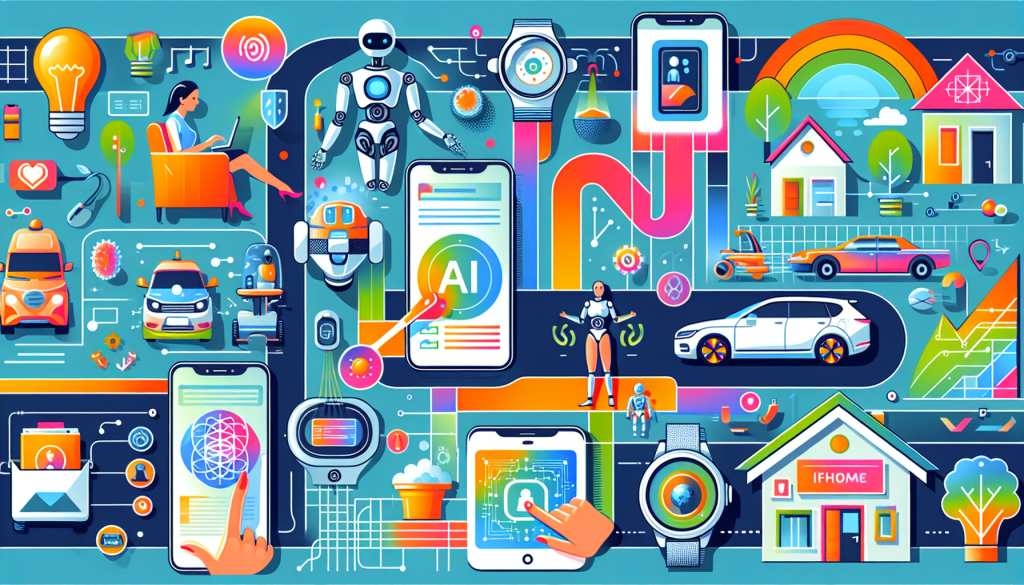
Artificial Intelligence (AI) has become a part of our everyday life. From social media and online shopping to smartphones, education, and healthcare, we interact with AI in many ways without even realizing it. AI helps us complete tasks faster, find information, and get personalized recommendations. But how exactly is AI affecting our daily lives? Let’s explore some common ways AI is being used and how it is changing the way we live and work.
BY LINE: SAGUFTA RANI
Is AI Harmful? How Artificial Intelligence Is Affecting Our Privacy Today?
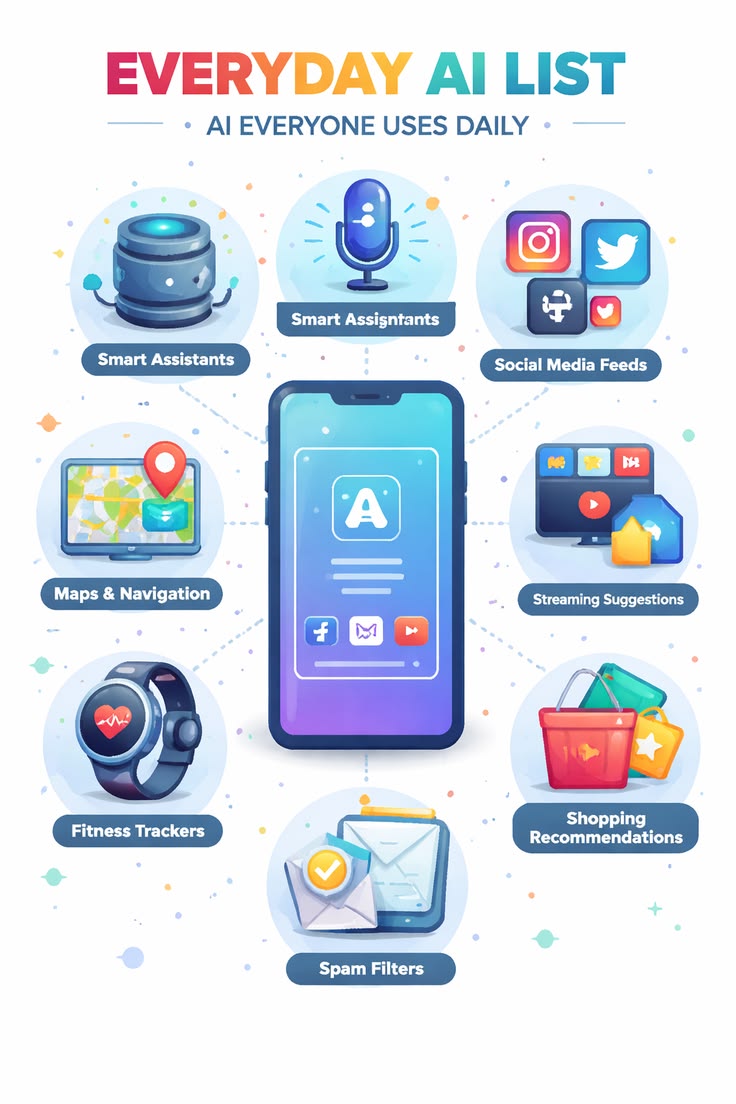
Artificial Intelligence, commonly known as AI, has become an important part of our everyday lives. From social media recommendations and online shopping to chatbots, voice assistants, and smart applications, AI is being used almost everywhere. AI can make our lives easier and help us complete many tasks faster. However, as AI becomes more powerful, an important question is also being discussed: Is AI harmful to our privacy? The answer is not simply yes or no. AI can be very useful, but the way it collects, processes, and uses personal information can create privacy concerns.
How Is AI Used in Our Daily Life?
Many people use AI without even realizing it.
For example, social media platforms use AI to recommend posts and videos based on our interests. Online shopping websites suggest products based on our previous searches and purchases. Voice assistants can understand our questions and provide answers.
AI is also being used in education, healthcare, banking, customer service, and many other areas.These technologies can save time and provide personalized experiences, but they often require access to different types of data.
How Can AI Affect Our Privacy?
1. Collection of Personal Data
AI systems often work with large amounts of information. Depending on the service, this may include search history, preferences, location information, device information, or interactions with an application. The more information a system has, the more personalized its results can become. However, this also raises questions about how that information is collected and used.
2. Personal Information Shared With AI Tools
Today, people use AI chatbots and other AI tools for writing, studying, coding, creating images, and many other tasks. Sometimes users may accidentally share private information, such as personal documents, phone numbers, confidential work information, or other sensitive details. This is why we should think carefully before entering private information into an AI tool.
3. Photos, Voice, and Other Personal Content
AI-based applications can work with photos, videos, and voice recordings. For example, users may upload a photograph to an AI image tool or record their voice for an AI application. This creates another important privacy question: Where does this information go, and how is it handled?
Users should always check the privacy practices of a service before uploading sensitive content.
4. AI and Online Behaviour
AI can analyse patterns in our online behaviour. For example, it may help platforms understand what type of content a person likes or what products they may be interested in. This can make online experiences more convenient, but it can also make people feel that their online activities are being closely monitored.
Is AI Completely Harmful?
AI itself is not necessarily harmful.Artificial Intelligence can provide many benefits. It can help students learn, assist developers with coding, support businesses, improve accessibility, and help professionals analyse information.The main concern is how AI is developed and used.Responsible use of AI requires strong privacy practices, secure systems, transparency, and awareness among users.
How Can We Protect Our Privacy While Using AI?

There are some simple steps everyone can follow:
• Do not share passwords or OTPs with AI tools.
• Avoid uploading confidential documents unless necessary.
• Be careful when sharing personal photographs or recordings.
• Check the privacy settings of apps and websites.
• Read the privacy policy of unfamiliar AI services.
• Share only the information that is necessary.
• Keep your important accounts protected with strong passwords and two-factor authentication.
The Future of AI and Privacy.
AI is developing very quickly, and it will probably become an even bigger part of our daily lives. The goal should not be to stop using AI. Instead, we should learn how to use it responsibly while understanding the privacy risks involved. Technology becomes more useful when innovation is combined with safety, transparency, and responsible use.