
The Rise of Digital Detox: Why More People Are Taking Breaks from Social Media
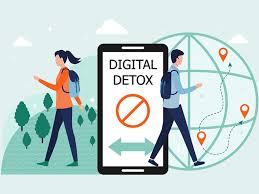
In today’s digital world, smartphones and social media have become an important part of daily life. From checking notifications to scrolling through endless feeds, many people spend several hours online every day. While technology has made communication easier, excessive screen time can also affect mental health, productivity, and personal relationships.
As a result, the idea of a digital detox is becoming increasingly popular. More people are choosing to reduce their screen time and take regular breaks from social media to create a healthier balance between the online and offline worlds.
What Is a Digital Detox?
A digital detox simply means taking a break from digital devices such as smartphones, tablets, laptops, and social media platforms.
Some people disconnect for a few hours every day, while others choose an entire weekend or even a week without social media. The goal is to reduce unnecessary screen time and focus on real-life experiences.
A digital detox does not require giving up technology completely. Instead, it encourages people to use digital devices more mindfully.
Why Are More People Choosing a Digital Detox?
One of the biggest reasons is the growing awareness of mental well-being.
Constant notifications, endless scrolling, and the pressure to stay updated can increase stress and anxiety. Many users also compare themselves with carefully edited posts shared by others, which may negatively affect self-confidence.
Taking regular breaks from social media allows people to relax, recharge, and spend more time with family, friends, and hobbies.
Benefits of Reducing Screen Time
A digital detox offers several advantages for both mental and physical health.
People often report improved concentration because there are fewer distractions throughout the day. Better focus can increase productivity at work and improve academic performance for students.
Reducing screen time also supports better sleep. Looking at mobile screens late at night can interfere with the body’s natural sleep cycle. Spending less time on devices before bedtime may help improve sleep quality.
Many people also experience lower stress levels and feel more present during conversations and daily activities.
Simple Ways to Start a Digital Detox
Beginning a digital detox does not have to be difficult.
Start by turning off unnecessary notifications that interrupt your daily routine. You can also set screen time limits using built-in smartphone features.
Another helpful strategy is to avoid using your phone during meals or before going to bed. Instead, spend that time reading a book, exercising, or enjoying outdoor activities.
Even a short break from social media each day can make a noticeable difference over time.
Finding the Right Balance
Technology is an important part of modern life, and completely avoiding it is not practical for most people.
The key is to develop healthy digital habits. Using technology for learning, work, and communication is beneficial, but endless scrolling without purpose can consume valuable time.
By setting boundaries and using devices mindfully, people can enjoy the benefits of technology without feeling overwhelmed.
Frequently Asked Questions (FAQs)
What is a digital detox?
A digital detox is a planned break from smartphones, social media, or other digital devices to improve mental and physical well-being.
How long should a digital detox last?
It depends on personal goals. Some people take a break for a few hours daily, while others disconnect for an entire weekend or longer.
Does a digital detox improve mental health?
Many people report reduced stress, better focus, and improved mood after limiting unnecessary screen time.
Can I still use my phone during a digital detox?
Yes. A digital detox focuses on reducing unnecessary usage rather than completely avoiding technology.
Conclusion
A digital detox is not about rejecting technology—it is about using it wisely. As screen time continues to increase, taking regular breaks from social media and digital devices can improve focus, strengthen relationships, and support better mental health. By making small changes to daily habits, anyone can create a healthier balance between the digital world and real life.