Zero Barrels to Surge: Iran Admits US Naval Blockade Paralyzed Oil Exports Prior to Versailles Peace Truce

The Admission of Total Containment
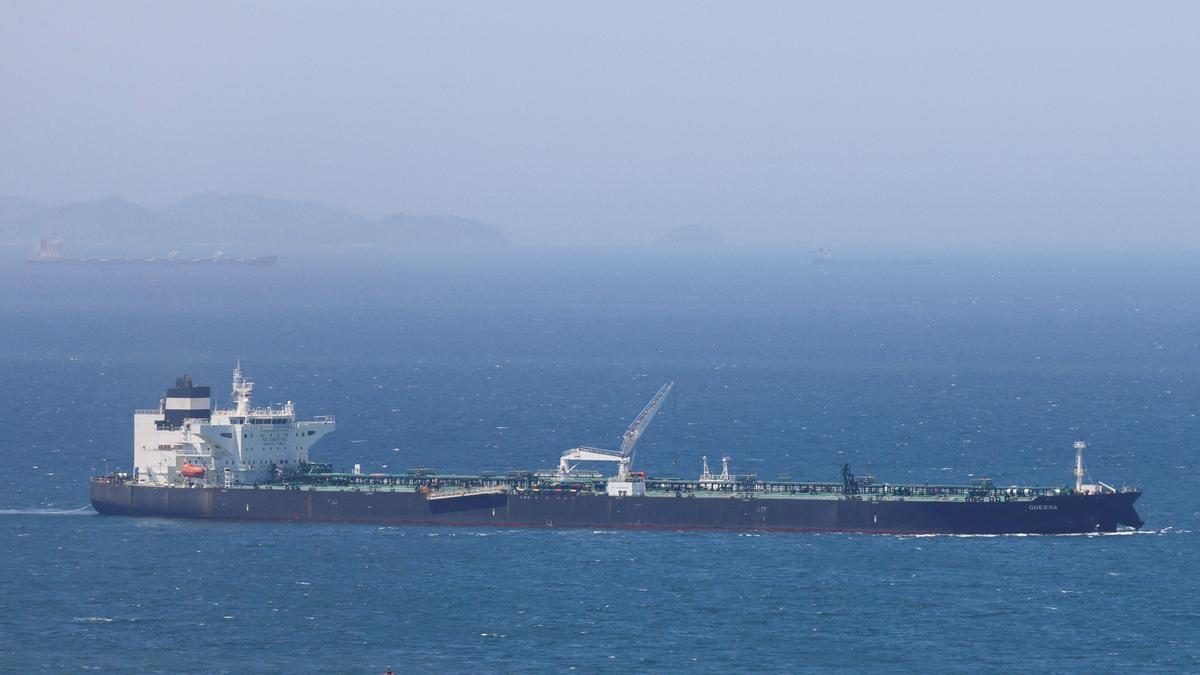
Mohammad Bagher Ghalibaf’s public confession marks the first official acknowledgement from Tehran of the absolute efficacy of the recent US maritime blockade. Crucially, the strict naval embargo, launched under the moniker ”Operation Economic Fury”, was initiated to heavily squeeze Iran’s financial pipelines. This pressure peak occurred during the recent West Asian military conflict.
“During the previous 50 to nearly 60 days, we were genuinely unable to export even a single barrel of oil,” Ghalibaf conceded during a candid state broadcast. Consequently, this statement directly contradicts previous wartime claims by regional social media commentators. These individuals argued that Iran’s shadow tanker fleets were actively bypassing the military cordon lines.
The Post-Blockade Export Boom
The sudden turnaround in Iran’s economic fortunes follows the signature of the historic 14-point Islamabad Memorandum of Understanding on June 17, 2026. Following the preliminary peace deal brokered with the Trump administration, the US Treasury issued a temporary 60-day waiver. This move triggered immediate market movements:
- Massive Volume Outflow: Independent maritime analytics firms verified Iran’s successful crude exports. The country exported up to 50 million barrels in June. This volume averaged 1.66 million barrels daily.
- The 20% Pricing Premium: Due to the global supply crunch left behind by the conflict, Ghalibaf announced that Iranian crude is currently selling at a 20% premium. This increase is measured against pre-war pricing baselines
- Mainstream Market Re-entry: Iranian financial institutions no longer rely on high-risk smuggling channels. Instead, authorities granted them temporary clearance. They can now conduct direct international banking transactions in US dollars.
Diplomacy Backed by High Alert
While Iranian officials celebrate the rapid influx of oil revenues back into state central banks, the geopolitical atmosphere remains highly volatile. Delegations from Washington and Tehran are arriving in Doha, Qatar, to conduct indirect negotiations. These sessions aim to transform the temporary 60-day truce into a permanent geopolitical arrangement.
Meanwhile, chief negotiator Mohammad Bagher Ghalibaf emphasised that Tehran is fully prioritising modern diplomatic avenues. He clarified that the ultimate goal remains to permanently dissolve economic sanctions. However, he simultaneously confirmed that Iran’s military remains on high alert. “We are pursuing dialogue, but if the dialogue is not implemented, we are also prepared for war and will respond accordingly,” Ghalibaf warned on state television.
Conclusion
The striking admission that the US naval blockade halted Iranian oil exports underscores Washington’s immense economic leverage. This advantage frames the upcoming Doha security talks. Meanwhile, temporary 60-day sanctions relief successfully cooled international oil indices. This reprieve also allowed Iran to cash in on a multi-billion-dollar energy surge. However, the underlying truce remains exceptionally fragile. Ongoing negotiations in Qatar will directly determine the outcome. Specifically, they will decide whether this brief export boom leads to prolonged regional stabilisation or merely pauses a renewed conflict.