
Women’s Reservation and Delimitation: Legislative Deadlock Stalls
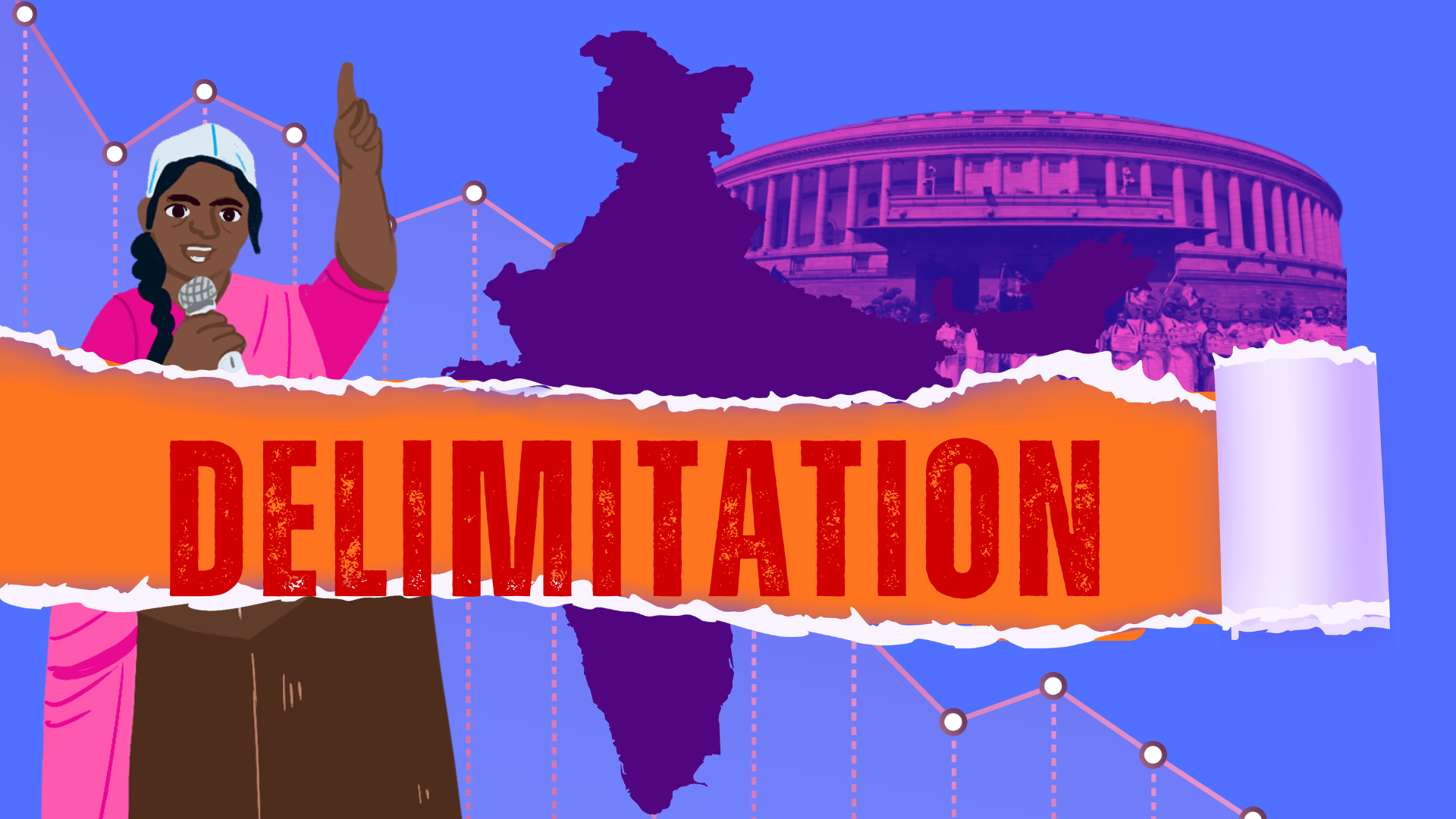
A historic attempt to fast-track women’s representation collapsed in the Lok Sabha on Friday. Consequently, deep federal concerns have delayed the practical rollout of the 33% quota.
The 131st Amendment Fails
A profound silence settled over Parliament after the defeat of the 131st Amendment Bill. The government sought to expedite Women’s Reservation and Delimitation by using the 2011 Census data. However, the bill failed to secure the mandatory two-thirds majority. The House recorded 298 votes in favour and 230 against. This result fell 54 votes short of the required mark.
Regional Concerns Spark Resistance
The core issue involved the controversial link to redrawing electoral boundaries. The proposed expansion would increase Lok Sabha seats to 850. Additionally, leaders from Southern and North-Eastern states fiercely resisted this move. They argued that a population-based increase unfairly strips political clout from states that successfully control their growth. Furthermore, detractors claimed that the government intended this action to transfer power to high-population Northern states.
Delayed Rollout: Why 2029 is Now Unlikely
The 2023 Nari Shakti Vandan Adhiniyam’s original provisions are now in effect due to the failure of the fast-track amendment. Therefore, the original law still links Women’s Reservation to the first census that the government carries out following the Act’s implementation.
Because of this, the majority of experts think that the delimitation process cannot be completed before the 2029 general elections. Furthermore, political observers estimate that the 33% quota might not go into effect until 2034 in the absence of a new agreement. In the end, this legislative impasse places millions of women’s aspirations in a historical “freezer locker” for at least one more election cycle. Millions of women’s ambitions are ultimately left in a historical “freezer locker” for at least another election cycle due to this legislative deadlock.

Deadlock and the Path Forward
In conclusion, the defeat of the bill marks the first time in 12 years that a BJP-backed constitutional amendment has fallen in the Lok Sabha. The government now faces a choice: delink the quota from seat expansion or wait for the 2027 Census results. Regardless of the path chosen, the Women’s Reservation and Delimitation debate has exposed a significant trust deficit between the Centre and several states. For now, the nation watches to see if a revised, “clean” bill will emerge in future sessions.
It’s really frustrating to see this kind of gridlock. The proposed quota would have been a significant step forward for gender equality in Indian politics.