
Gulf Crisis Deepens: New Delhi Demands Halt to U.S. Shipping Strikes After 3 Indian Sailors Perish

Fatal Missile Engagement Near Key Maritime Chokepoint
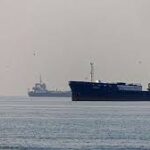
The geopolitical confrontation escalated sharply after aircraft from U.S. CENTCOM forces struck the Palau-flagged tanker MT Settebello in the Gulf of Oman. An American aircraft fired two Hellfire missiles into its engine room. U.S. officials defended the lethal tactical strike. They claimed the oil products tanker deliberately violated an American naval blockade against Iranian energy exports. Washington also blamed the tanker’s crew. Officials stated the crew ignored explicit radio directives and navigation warnings.
However, the precision strike resulted in immediate structural fires that trapped personnel below deck. While an emergency response by the Omani Navy successfully evacuated 21 surviving Indian crew members, three sailors initially reported missing were later found dead.
Union Shipping Minister Sarbananda Sonowal subsequently verified the identities of the deceased Indian mariners:
- Patnala Suresh (44) – Chief Engineer
- Shivanand Chaurasia (38) – Engine Fitter
- Aditya Sharma (23) – Deck Cadet
Three Attacks in 72 Hours: India Slams Civilian Toll
MEA spokesperson Randhir Jaiswal issued a stern warning in New Delhi. He spoke during a high-profile press briefing. He strongly opposed the continuing escalation. “These attacks must cease and end,” Jaiswal stated. He emphasised that commercial merchant mariners deserve protection. They should never be treated as collateral damage. This applies directly to state-level blockades.
Consequently, Indian foreign ministry files reveal that the MT Settebello attack represents a broader, highly aggressive trend. The U.S. Navy has targeted or physically disabled three separate tankers manned by Indian crews within a single week:
- First Tanker (Unspecified): Intercepted and disabled early in the week under blockade parameters.
- MT Settebello (Palau-flagged): Struck on Wednesday, resulting in the three confirmed Indian casualties.
- MT Jalveer (Guinea-Bissau-flagged): Hit by two missiles on Thursday off Oman’s Shinas port, though its 20 Indian sailors were safely evacuated.
Highest Alert Mobilised to Safeguard Seafarers
Because more than 18,000 Indian national sailors operate within the wider Gulf zone, the Directorate General of Shipping has initiated a comprehensive emergency framework. The central mandate explicitly instructs all active units to remain on “heightened alert” and be prepared to execute rapid tactical or humanitarian evacuations.
To fortify this defense posture, India is implementing several operational guardrails:
- Naval Synchronization: Working in close coordination with the Indian Navy to actively track and map every Indian-crewed vessel transiting the Persian Gulf and Arabian Sea.
- Allied Communication Lines: Establishing real-time intelligence-sharing links with the maritime administrations of friendly regional partners, including Oman.
- Mandatory Risk Assessments: Ordering domestic shipping lines to execute comprehensive voyage-specific safety audits before entering designated high-risk blockade waters.
Conclusion
The tragic deaths of three Indian seafarers in the Gulf of Oman have forced a significant diplomatic friction point between New Delhi and Washington, testing the bounds of their modern strategic partnership. By ordering all relevant maritime bodies to be “ready to respond,” the Indian government is sending a clear, global message that the protection of its civilian workforce is a non-negotiable priority. Moving forward, India will likely step up its deployment of regional naval escorts while aggressively pushing for multilateral dialogue at the United Nations to restore stable freedom of navigation across the world’s most critical energy transit route.