
Operation Hawkeye Strike: U.S. Unleashes Massive Retaliation in Syria; Could Pakistan Face Similar Action?
70 Strikes Decimate ISIS Infrastructure as Trump Vows ‘Vengeance’; Strategic Experts Debate if Nuclear-Armed Pakistan Remains Immune to Future ‘Hot’ Interventions
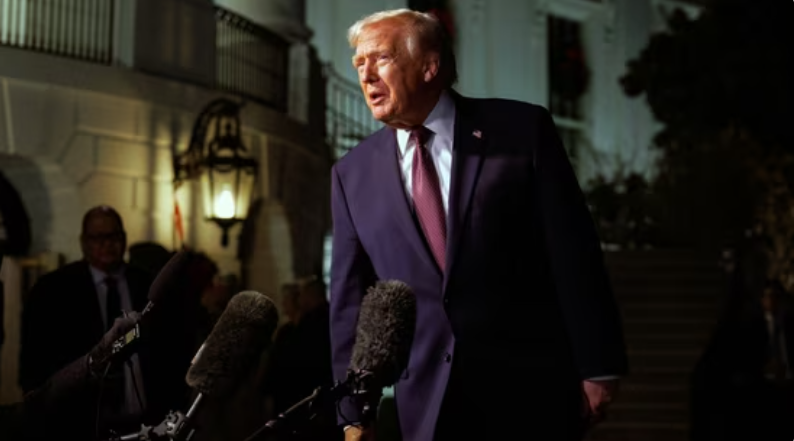
WASHINGTON/DAMASCUS — The U.S. military has shifted into a high-intensity offensive mode in the Middle East. Under direct orders from President Donald Trump, U.S. forces deployed F-15 Eagle jets, A-10 “Warthogs,” and Apache helicopters to hit 70 ISIS-linked targets. The strikes were a direct response to the December 13 ambush in Palmyra that killed two Iowa National Guard soldiers and a civilian interpreter.
“A Declaration of Vengeance”
U.S. Defense Secretary Pete Hegseth characterized the operation not as the start of a new war, but as a “declaration of vengeance.” President Trump, taking to social media, issued an all-caps warning to global terror networks: “YOU WILL BE HIT HARDER THAN YOU HAVE EVER BEEN HIT BEFORE.” Notably, the strikes received unprecedented backing from the new Syrian government under President Ahmad al-Sharaa, showcasing a dramatic pivot in Damascus-Washington relations since the fall of the Assad regime a year ago.
The Pakistan Parallel: Is Islamabad Next?
As the U.S. demonstrates its willingness to use “overwhelming force” against non-state actors, questions have surfaced in South Asian security circles: Could this happen to Pakistan?
While the U.S. has a long history of drone strikes in Pakistan’s tribal areas, a “Syria-style” massive aerial campaign remains unlikely for three critical reasons:
- The Nuclear Deterrent: Unlike Syria, Pakistan is a nuclear-armed state. Any large-scale conventional strike carries the risk of rapid escalation into a nuclear exchange, a scenario U.S. planners have sought to avoid for decades.
- Sovereign State Status: In Syria, the U.S. is operating with the “full support” of the host government against a common enemy (ISIS). In Pakistan, the U.S. would be striking targets within a sovereign, recognized ally’s territory, which would be viewed as an act of war.
- Regional Stability: Strikes on Pakistan would destabilize the “Chicken’s Neck” and the entire South Asian region, directly impacting India and China—a risk Washington is currently unwilling to take.
However, analysts warn that if “organized begging rings” or “state-sponsored proxies” (as alleged in the ULFA-I reports) continue to target Western interests, surgical strikes or economic sanctions remain on the table.
This is a really concerning escalation, and it’s important to consider the potential fallout for regional stability. It makes you think about the delicate balance of power and the risks involved, particularly with countries like Pakistan.