
🇮🇱 Strategic Solidarity: Jaishankar to Visit Israel Days After Sydney Attack, Cementing Zero Tolerance Stance
India’s EAM Holds High-Level Talks in Jerusalem Amidst Global Outcry Over Antisemitic Terror; Pakistan Cries Foul Over International Media Narrative
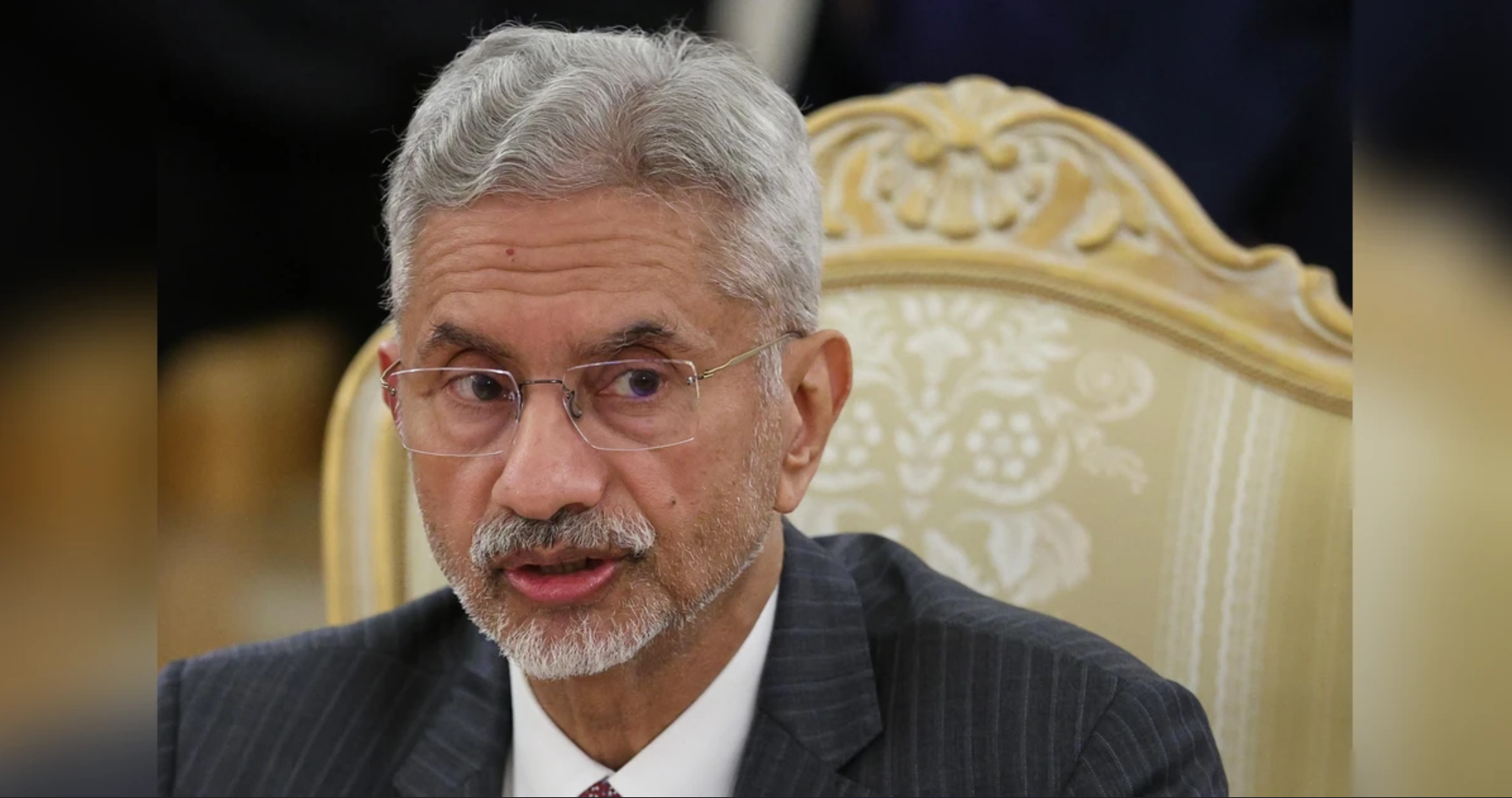
Jaishankar’s Israel Visit Signals Firm Stand Against Terror
India’s External Affairs Minister S. Jaishankar is set to arrive in Jerusalem on Tuesday, December 16, 2025, for high-level bilateral talks with Israeli leadership. The visit, which follows his prior strategic dialogue in the UAE, has taken on heightened significance in the wake of the deadly antisemitic terrorist attack at Bondi Beach, Sydney, which targeted a Jewish Hanukkah celebration.
Minister Jaishankar’s immediate travel to Israel—a nation that has faced an unprecedented surge in terrorist violence—is viewed by diplomatic circles as a powerful gesture, reinforcing India’s strong commitment to its strategic partnership with Israel and its “zero-tolerance” approach toward terrorism in all its forms. The EAM is scheduled to meet President Isaac Herzog, Prime Minister Benjamin Netanyahu, and Foreign Minister Gideon Sa’ar to discuss counter-terrorism cooperation, regional security, and the rapidly progressing India-Israel Strategic Partnership.
India Offers ‘Fullest Support’ to Australia
Following the tragedy in Sydney, EAM Jaishankar spoke directly with Australian Foreign Minister Penny Wong, conveying India’s deepest condolences and offering New Delhi’s “fullest support” in the investigation and aftermath. Prime Minister Narendra Modi also condemned the “ghastly” attack, explicitly linking it to terrorism.
This strong, immediate show of solidarity with Australia—a key partner in the Quad grouping—followed by the high-profile visit to Israel underscores India’s strategic alignment with nations directly confronting religiously and ideologically motivated extremism. The dual diplomatic outreach effectively positions India as a steadfast global player committed to countering the forces of radicalism.
Pakistan Cries ‘Media War’ Over Attack Narrative
In a controversial counter-narrative, official and media circles in Pakistan reacted sharply to the immediate and widespread international coverage and condemnation of the Sydney attack as antisemitic terrorism. Prominent Pakistani analysts and journalists publicly alleged that the intense focus and narrative framing were part of a “Western-Indian media war” designed to malign Pakistan and its vast expatriate community.
These circles argued that the international media was unfairly exploiting the tragedy to further geopolitical agendas against Pakistan, especially in the context of the ongoing Israel-Gaza conflict and the political fallout concerning the identity of the attackers. This defensive position contrasts sharply with the unequivocal condemnation issued by the majority of global leadership, further highlighting Pakistan’s isolation and diplomatic challenges in navigating complex international security events.