
Regulatory Hammer Falls: Government Orders 10% Cut in IndiGo’s Flight Operations
Ministry of Civil Aviation Curtails India’s Largest Airline Schedule; Rival Carriers, Led by Air India, Poised to Benefit from Route Reallocation
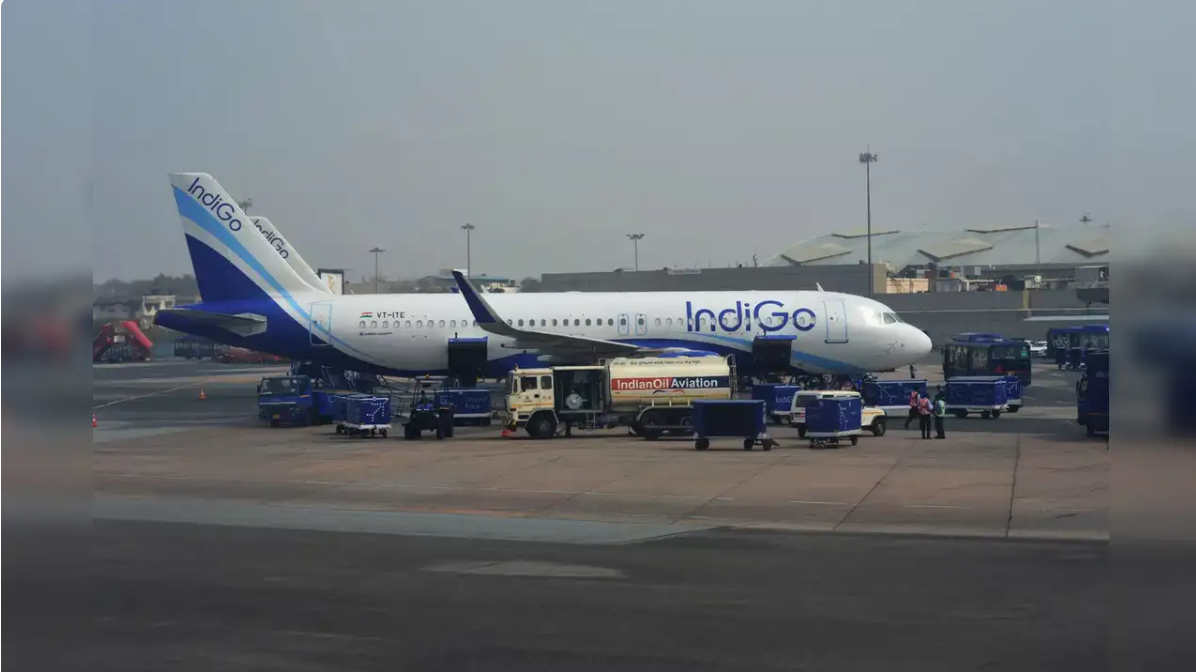
DGCA Slashes IndiGo’s Approved Flight Schedule
In a severe regulatory intervention following a week of nationwide chaos and thousands of flight cancellations, the Directorate General of Civil Aviation (DGCA) and the Ministry of Civil Aviation (MoCA) have ordered a substantial curtailment of IndiGo’s operational schedule. Initially set at a 5% reduction, the MoCA subsequently increased the mandatory cut to 10% of the airline’s approved winter flight plan. The directive mandates the reduction of operations across sectors, specifically targeting high-demand and high-frequency routes where IndiGo held a dominant market position.
The unprecedented action comes after the DGCA issued show-cause notices to the airline’s senior management, including CEO Pieter Elbers, citing “significant lapses in planning, oversight, and resource management.” The operational failure was attributed primarily to misjudgement in calculating crew requirements necessary to comply with new Flight Duty Time Limitations (FDTL) rules, which led to a crippling shortage of pilots and massive flight disruptions across the country. Union Civil Aviation Minister Ram Mohan Naidu stressed that no airline, regardless of its size, would be allowed to cause hardship to passengers.
Slots Reallocated: Air India Poised for Gain
The 10% cut translates to approximately 220-230 fewer daily flights for IndiGo, out of its pre-crisis schedule of around 2,300 daily departures. This regulatory action is expected to result in the reallocation of valuable flight slots and routes, particularly at highly congested metro airports. Sources within the aviation sector confirm that Air India and its low-cost subsidiary, Air India Express, are positioned as the primary beneficiaries.
The government has explicitly instructed other carriers, including the Tata Group-owned airlines, to increase their flight count to absorb the excess passenger demand resulting from IndiGo’s operational contraction. Air India has already taken proactive steps, including capping airfares on domestic non-stop flights and deploying wide-body aircraft on certain busy domestic routes to mitigate the crisis and step into the vacuum left by its rival’s substantial schedule reduction.
Accountability and Market Impact
The MoCA has directed IndiGo to submit a revised and truncated schedule within 24 hours and has warned of “strict and appropriate action” based on the outcome of its enforcement investigation. The airline’s stock suffered significantly following the news, reflecting investor anxiety over the regulatory crackdown and potential financial penalties.
This decision not only provides an immediate fix to stabilize the chaotic aviation network but also carries long-term implications for India’s airline market structure, which has been heavily reliant on the singular dominance of IndiGo. By cutting its routes and allowing competitors like Air India to absorb the capacity, the government is effectively using regulatory power to address monopolistic tendencies and foster greater competition in the domestic air travel sector.