
Youth Accountability Drive: Congress Launches Nationwide Movement Against Paper Leaks and Job Crisis
Strategic Rallies Formulated to Corner Centre
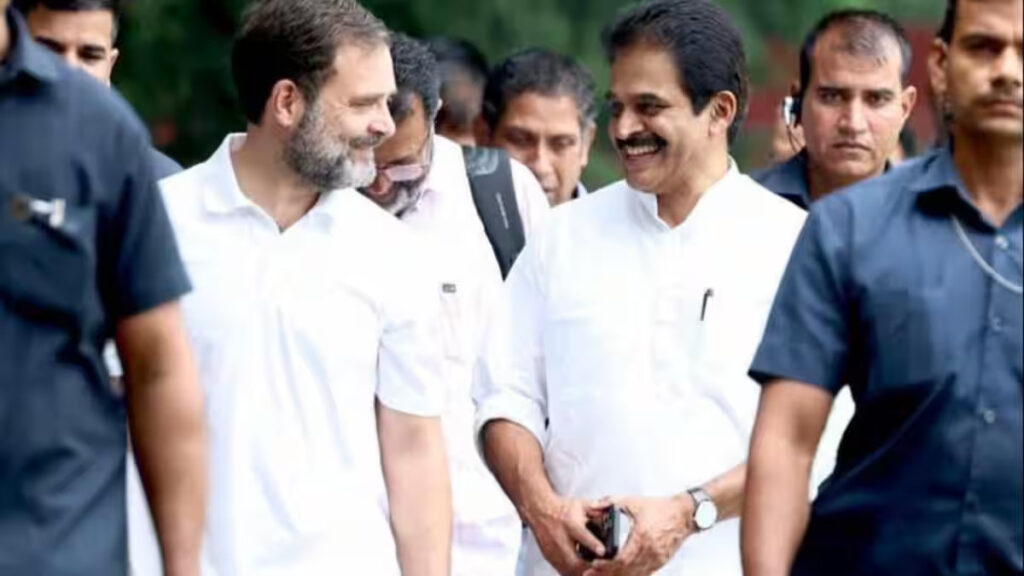
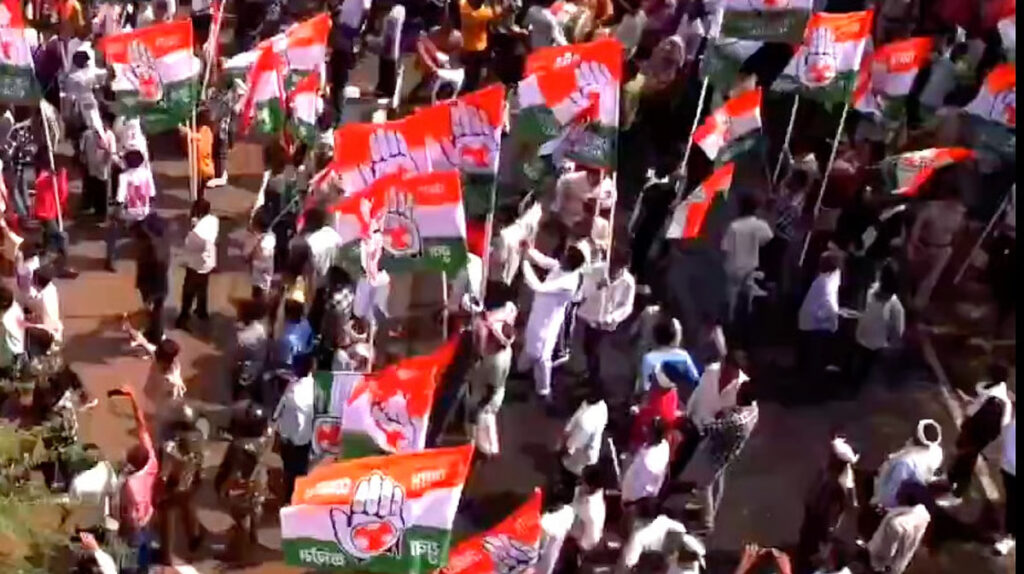
The organisational machinery of the Congress party has formalised a countrywide agitational roadmap following a high-powered strategy session attended by Priyanka Gandhi Vadra, state Pradesh Congress Committee (PCC) presidents, and All India Congress Committee (AICC) general secretaries. Consequently, the leadership decided to transform student anger over flawed national evaluation systems like NEET into a mainstream, sustained political movement spanning the next two to three months. Instead of standard urban street blockades, the party has curated targeted student conventions located specifically inside India’s premier educational and coaching zones.
According to the official schedules released by All India Congress Committee headquarters, the primary conventions are set to mobilize youth in key academic nodes:
| Event Timeline | Scheduled Location | Primary Regional Target Group |
|---|---|---|
| June 17, 2026 | Kota, Rajasthan | Engineering & Medical Aspirants |
| July 10, 2026 | Prayagraj, Uttar Pradesh | Public Service Commission Candidates |
| July 11, 2026 | Patna, Bihar | State Recruitment Exam Aspirants |
| July 14, 2026 | New Delhi | Central University & National Students |
Multi-Wing Grassroots Mobilisation Activated
To ensure the protest converts into deep grassroots awareness, Congress has integrated its frontline student and youth wings—the National Students’ Union of India (NSUI) and the Indian Youth Congress (IYC). Furthermore, local party cadres will execute daily field activities, including structured interactive visits to private coaching centers, public libraries, schools, and university campuses.
While the ruling Bharatiya Janata Party (BJP) defends its regulatory steps, Congress is actively working to unite job aspirants beyond standard political party identities. The digital operations wing of the party is launching simultaneous live online screenings and interactive forums where affected students can safely share their personal experiences regarding late recruitment cycles and sudden exam cancellations without fear of institutional retribution.
Core Legislative Demands Framed
The party’s primary political document highlights structural policy transformations the opposition intends to advance during the upcoming session of Parliament. Consequently, the legislative demands focus heavily on re-establishing institutional credibility:
- Decentralisation of NEET: Stripping away absolute central command over medical tests to grant states greater evaluation autonomy.
- Abolition of Examination Fees: Waiving recurrent processing fees for applicants repeatedly forced to retake leaked papers.
- Strict Anti-Leak Statutes: Demanding fast-track criminal prosecution and zero-tolerance laws targeting organized cheating syndicates.
- Cabinet Accountability: Requiring the immediate exit of Union Education Minister Dharmendra Pradhan to restore public confidence.
Conclusion
The launch of this nationwide campaign signals a determined push by the Congress party. They intend to place youth employment at the absolute centre of India’s political narrative. Furthermore, they aim to prioritise educational sanctity.
The opposition utilises a highly structured, city-by-city convention strategy. By doing so, they seek to give an organised voice to millions of job seekers. These citizens remain deeply frustrated by systemic institutional lapses.
Ultimately, the success of this public movement depends on sustaining long-term engagement. They must keep up active momentum directly on the streets. Nevertheless, this strategy guarantees that the central government will face intense scrutiny. They must answer for structural economic management and educational safety. Consequently, this pressure will build both inside Parliament and across the public domain.