
Global Health Alert: India Steps Up Airport Screening After WHO Declares Ebola Emergency in Central Africa
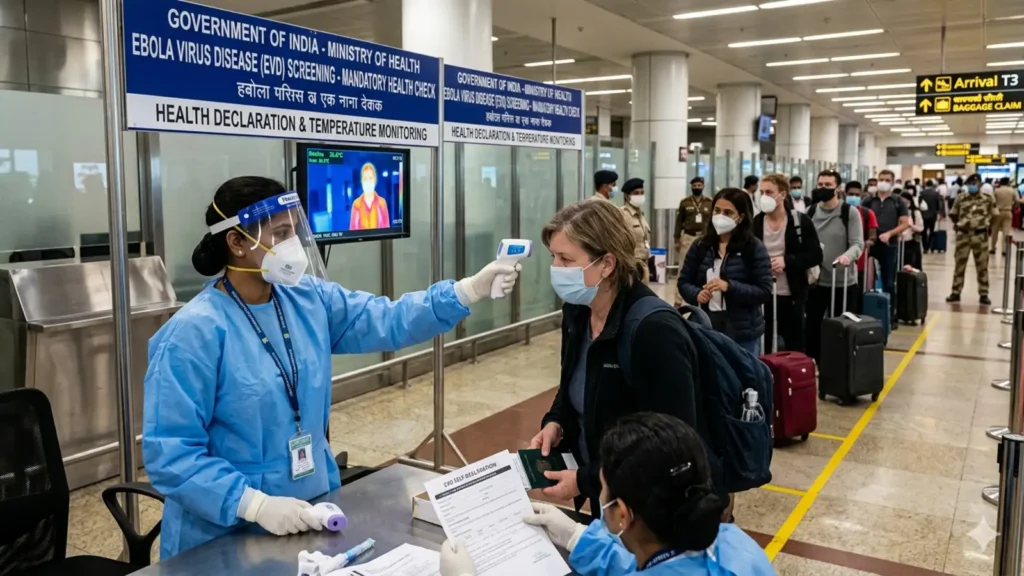
The Union Ministry of Health and Family Welfare placed India’s infrastructure on high alert. Specifically, this follows a major Ebola resurgence in Central Africa. Consequently, the central government implemented strict screening measures at international entry points. By doing so, they hope to prevent the importation of the virus. Meanwhile, the Ministry confirmed that India has zero reported cases. Ultimately, authorities are acting with abundant caution after the World Health Organisation declared a global emergency.
The African Outbreak: A Rare Vaccine-Exempt Strain
The ongoing health crisis is centred primarily in the Democratic Republic of Congo’s Ituri Province. Recently, cases have also spilt over into Uganda. Specifically, global health bodies report approximately 246 suspected infections and at least 80 deaths.
The main cause for global panic is the identity of the pathogen.
- The Rare Variant: Laboratory tests confirmed that the outbreak stems from the Bundibugyo virus strain.
- No Cure or Vaccine: Unlike the more common Zaire strain, medical science currently has no approved vaccines or specific therapeutics for the Bundibugyo variant.
- High Fatality Rates: This specific strain carries a historic mortality rate ranging between 25% to 50%, forcing international agencies into rapid containment mode.
India Fortifies Points of Entry
In response to the global declaration, top Indian health bodies met on Monday to overhaul local defence mechanisms. Moreover, the National Centre for Disease Control (NCDC) and the Indian Council of Medical Research (ICMR) are leading the domestic strategy.
- Enhanced Airport Surveillance: Thermal scanners and mandatory health declaration protocols are now active for passengers arriving from or transiting through Central Africa.
- Laboratory Readiness: The government has designated the National Institute of Virology (NIV) in Pune as the primary testing hub for suspected samples.
- Isolation Facilities: Dedicated quarantine wards have been readied at major transit hubs, including Delhi and Mumbai airports, to isolate symptomatic travelers immediately.
Experts Urge Vigilance, Not Panic
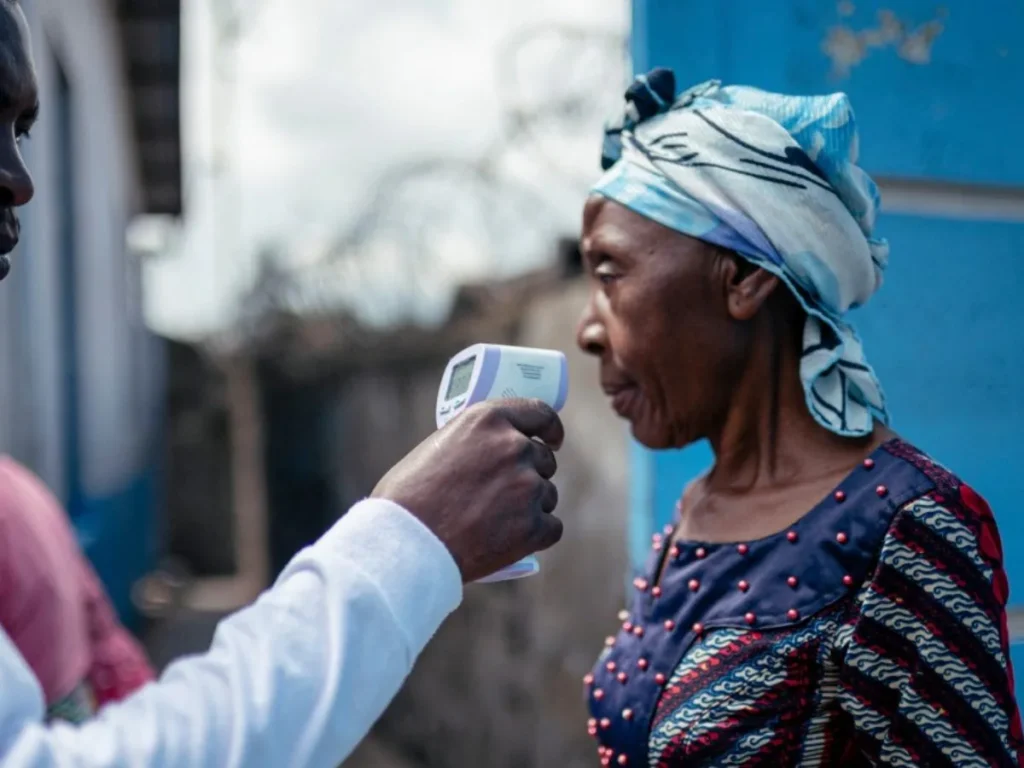
Top Indian medical experts have stepped in to soothe public anxiety, emphasising that the risk of a domestic outbreak remains minimal. Furthermore, former AIIMS Director Dr. Randeep Guleria clarified that Ebola cannot trigger a rapid, airborne pandemic like COVID-19.
In addition, the virus spreads exclusively through direct contact with infected body fluids, making casual public transmission highly unlikely. Health officials have strongly urged the public and media to avoid spreading unverified information or online rumors.
Conclusion
India’s aggressive, proactive response reflects the lessons learned during previous global pandemics. Ultimately, while the local threat is exceptionally low, strict border vigilance remains vital during the virus’s 21-day incubation window. Consequently, the government aims to keep the country safe from the escalating Central African crisis. Specifically, they are combining advanced laboratory readiness with rigorous traveller tracing to achieve this goal.