
BJP Agents Mauling Constitution: Kapil Sibal Slams Tamil Nadu Governor Over TVK Swearing-in Delay
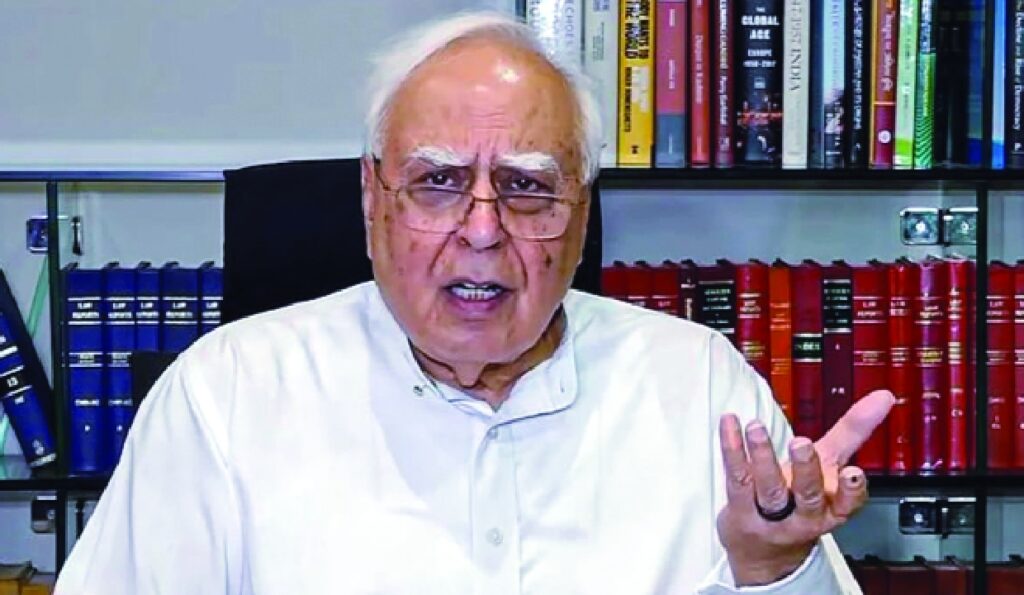
On Thursday, senior advocate Kapil Sibal launched a scathing attack on Governor Rajendra Vishwanath Arlekar. Specifically, the Rajya Sabha MP accused him of acting as a “BJP agent.” Furthermore, he argued that the Governor has forsaken his duty as a neutral constitutional head. Sibal’s remarks come amidst an ongoing political deadlock after the Governor declined to invite Tamilaga Vettri Kazhagam (TVK) chief C. Joseph Vijay to form the government, despite his party emerging as the single-largest entity in the 2026 Assembly elections.
Sibal Demands Immediate Swearing-in
In a sharp social media post, Sibal argued that established constitutional conventions require the Governor to invite the single-largest party to take the oath first.
- Constitutional Mandate: Sibal cited the Sarkaria Commission recommendations and settled Supreme Court law, stating that the Governor should swear in Vijay and let him prove his majority on the floor of the House.
- Allegations of Manipulation: The senior lawyer alleged that the delay is a deliberate attempt to “buy time” for the BJP to manipulate the political process.
- Mauling the Constitution: Sibal claimed that Governors in opposition-ruled states are “mauling the Constitution” to serve the interests of their “masters in Delhi”.
The Deadlock at Lok Bhavan
The standoff intensified after TVK chief Vijay met the Governor for the second time in 24 hours on Thursday.
- The Governor’s Stand: The Lok Bhavan issued a statement clarifying that Vijay had not yet secured the requisite majority support (118 seats) to form a stable government.
- The Numbers Game: TVK won 108 seats on its own. With conditional support from the Congress (5 seats), the tally reaches 113, leaving the alliance five seats short of the majority mark.
- Seat Vacancy: Since Vijay won two seats, he must vacate one, potentially bringing TVK’s effective strength down to 107.
Rising Political Tensions
Sibal’s criticism resonated with other leaders, including Kamal Haasan. Consequently, Haasan also labelled the Governor’s actions as obstructive. Meanwhile, reports suggest the DMK and AIADMK might form an unprecedented alliance. Their goal would be to keep the TVK out of power. As a result, Vijay’s path to the Chief Minister’s office is becoming more complex. The state remains under a caretaker administration. Therefore, all eyes are on whether the Governor will yield to pressure or continue to demand physical proof of a majority.
Conclusion
The ongoing standoff in Chennai represents a major test for India’s federal and constitutional principles. Consequently, the Governor’s refusal to invite the single-largest party has sparked a fierce debate over the limits of gubernatorial power. Moreover, sharp criticism from legal experts like Kapil Sibal highlights growing mistrust in the Governor’s neutrality. Specifically, this deadlock will set a major precedent for managing future “hung assemblies” nationwide. Ultimately, while Vijay and the TVK scramble for numbers, the state’s stability rests with Lok Bhavan.