
Insurgency Redux: Intelligence Warns of ‘Yunus-Pakistan’ Pact to Revive ULFA-I in Dhaka
Paresh Baruah Reportedly Relocating to Bangladesh; Leaked Reports Suggest ISI-Backed Strategy to Destabilize Northeast India Ahead of Critical Elections
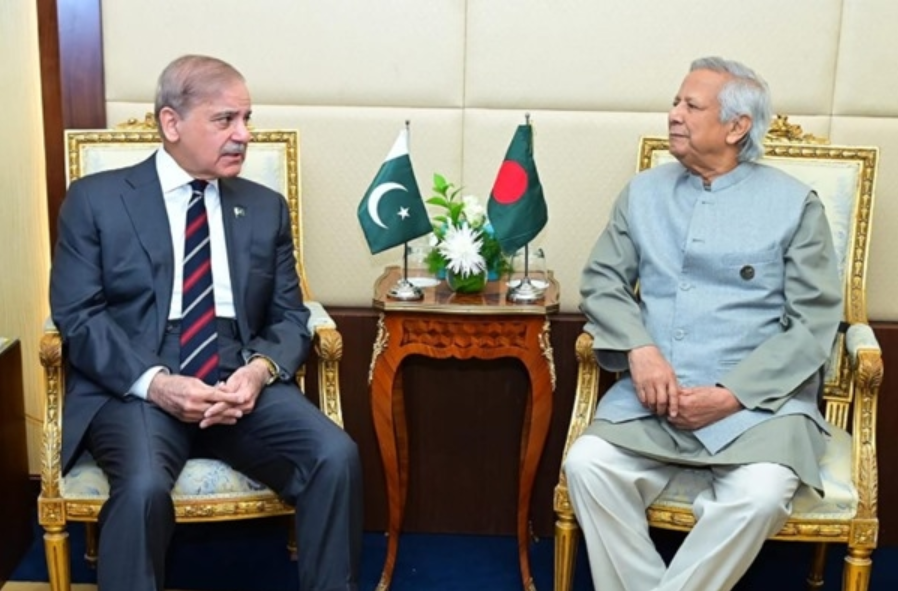
DHAKA/NEW DELHI — In a development that threatens to dismantle decades of counter-insurgency gains in Northeast India, intelligence sources suggest that Paresh Baruah, the elusive chief of the banned ULFA-I, is being rehabilitated in Dhaka. This move is allegedly part of a broader “strategic understanding” between the Muhammad Yunus-led interim government and Pakistan’s Inter-Services Intelligence (ISI).
The Return of the ‘Safe Haven’
For over fifteen years, the previous Awami League government in Bangladesh maintained a “zero-tolerance” policy toward Indian insurgent groups. However, since the political transition in August 2024, the security landscape has shifted. Reports indicate that the ISI is pushing for the return of a “pro-Pakistan” regime in Dhaka that would once again allow Northeast militants to operate from Bangladeshi soil—a throwback to the BNP-Jamaat era of the early 2000s.
“The rehabilitation of Baruah in Dhaka would be a red line for New Delhi,” stated a retired Indian intelligence official. “It signals a return to the ‘two-front’ proxy war where Bangladesh is used as a springboard for terror in Assam and beyond.”
The ‘Greater Bangladesh’ Map Controversy
Adding fuel to the fire, Chief Adviser Muhammad Yunus recently sparked a diplomatic storm by gifting a book to a Pakistani General that featured a controversial map. This map allegedly depicted parts of India’s Northeast as part of a “Greater Bangladesh.” While the interim government distanced itself from the “personal views” of certain aides, the gesture has been interpreted in India as a deliberate provocation and a sign of deepening ties with Islamabad.
ISI Influence and the ‘Election Factor’
Strategic analysts warn that the ISI is providing more than just logistical support. There are growing concerns that the agency is helping the current regime consolidate power through election interference, using insurgent groups like ULFA-I to create localized instability in India’s “Chicken’s Neck” (Siliguri Corridor) to distract Indian security forces during critical political transitions.
As ULFA-I high-command members like Arunodoi Dohutia surrender on the Myanmar border, the core leadership’s potential shift to Dhaka suggests that the group is not fading away, but rather evolving with powerful new state sponsors.