
India’s S-400 Shield: Between Russian Delays and Washington’s Sanction Threats
As Putin Pledges 2026 Completion, New Delhi Weighs Strategic Autonomy Against Growing Supply Chain Crises and Beijing’s Border Buildup
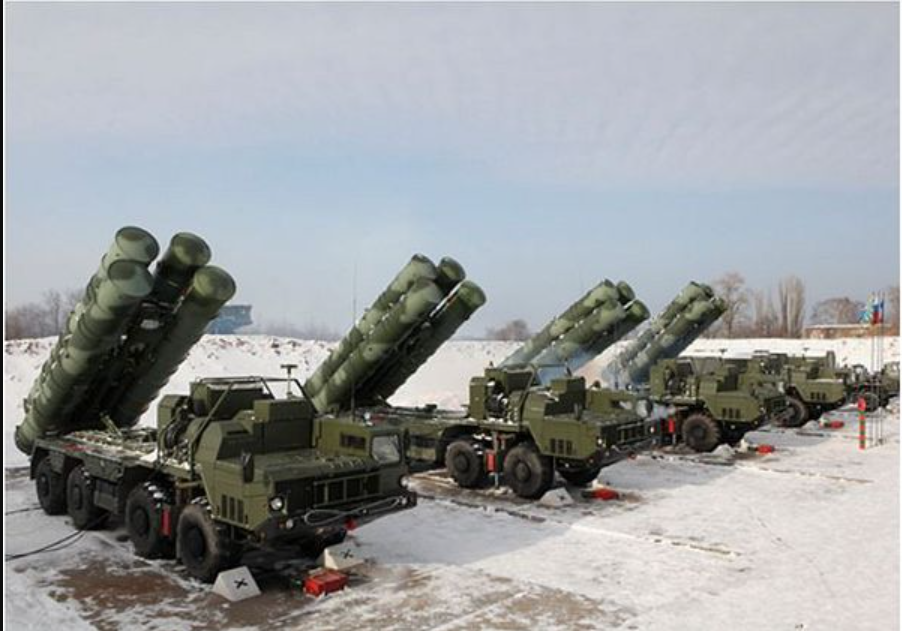
S-400 ‘Sudarshan Chakra’ Faces Supply Chain Bottlenecks
India’s premier air defense system, the S-400 Triumf, is currently navigating a period of intense scrutiny. While the system achieved “legendary” status following its performance in the May 2025 conflict—where it reportedly locked down northern airspace—the program faces a critical missile crisis. International reports from think tanks like RUSI suggest that Russian production lines are struggling with microelectronic shortages due to global sanctions, leading to delays in the final two regiments.
During the recent India-Russia Annual Summit in New Delhi (December 2025), Prime Minister Narendra Modi and President Vladimir Putin addressed these “supply chain jitters.” Russia has officially extended the delivery timeline to late 2026, ensuring that India remains its top priority despite the ongoing “Special Military Operation” in Europe. To mitigate risks, India has also reportedly negotiated a $1.1 billion deal for immediate missile refills to keep existing batteries combat-ready.
Navigating the CAATSA Shadow and US Tariffs
The S-400 deal remains a diplomatic minefield for India-US relations. In late 2025, the shadow of CAATSA (Countering America’s Adversaries Through Sanctions Act) continues to loom. While the US House recently passed the 2026 Defense Budget without specific India sanctions, the Biden administration has used economic levers—such as the 25% “penalty” tariff on Indian oil imports—to signal displeasure over New Delhi’s defense ties with Moscow.
However, India’s defense ministry remains undeterred. Officials argue that the S-400 is an “asymmetric necessity” against China’s J-20 stealth fighters. With China having already deployed its own S-400 batteries along the Line of Actual Control (LAC), New Delhi views any compromise on the Triumf system as a direct threat to national sovereignty.
Russia’s Pivot and the Rise of Project Kusha
As Russia diverts resources to its own borders, India is accelerating its “Plan B.” While maintaining the Russia-India defense bridge through the new RELOS logistics pact, India is fast-tracking Project Kusha—an indigenous long-range surface-to-air missile (LRSAM) system.
The strategy is clear: use the S-400 as a sophisticated stop-gap until the 2030s while diversifying toward Western and domestic technology. The recent summit confirmed that while the S-400 remains the backbone of India’s multilayered defense, the “missile crisis” has served as a wake-up call, pushing India toward total self-reliance in high-altitude interception.