
Ashwani Kumar IAS Deferral Sparks Outrage, Exposes Cracks at India’s Top Civil Services Academy
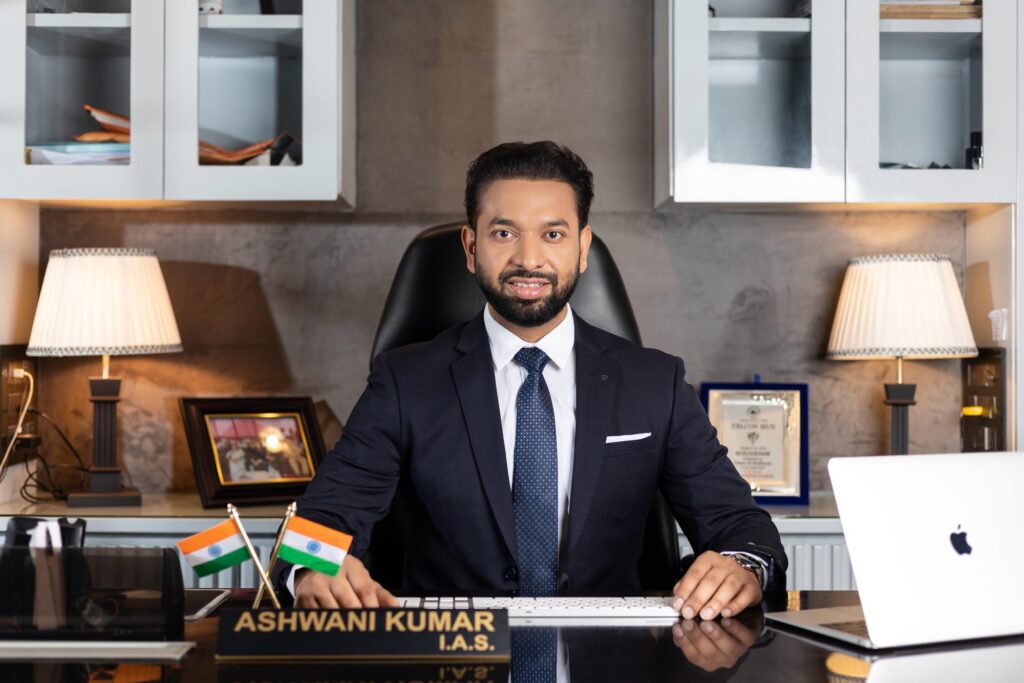
New Delhi / Guwahati, July 7, 2025. A quiet storm is brewing within India’s elite bureaucracy. At the center of it is Ashwani Kumar, a 2010-batch IAS officer currently serving as Director of DITEC in Assam. He has taken on LBSNAA, the premier training academy for civil servants.
The thing which started as a routine training nomination has turned into a major controversy. This issue raises uncomfortable questions about transparency, personal bias, and accountability within the institution responsible for shaping India’s top administrators.
From Nomination to Rejection in Just 7 Days
On June 3, 2025, Kumar received confirmation that he had been selected to attend Phase-IV of the Mid-Career Training Programme (MCTP) at LBSNAA. This program is designed for senior IAS officers. The nomination came from Joint Director and Course Coordinator Udit Aggarwal.
However, just a week later, the same official reversed course. A deferral order was quietly sent to the Assam Chief Secretary on June 10, and to Kumar directly on June 13. The reason given was a puzzling claim that officers must wait 2 to 3 years after completing Phase-III before attending Phase-IV. This rule does not exist in any official policy.
“This so-called ‘cooling-off period’ is entirely made up,” Kumar wrote in a strongly worded complaint to the Department of Personnel and Training (DoPT), with copies going to the Prime Minister, President, and UPSC Chairman.
A Personal Bias or Power Play?
Kumar is speaking out. He alleges that the deferral was not just a clerical mistake but a serious violation of procedure, possibly driven by personal bias or administrative overreach.
“Was the Course Coordinator acting on his own? Did he have any authority to override national guidelines?” Kumar questioned.
He has also raised concerns about the official who deferred him. He claims that Mr. Aggarwal has not completed Phase-III yet leads and evaluates officers in Phase-IV.
“How is that fair?” Kumar asked. “How can someone who hasn’t undergone a training phase be put in charge of the next one?”
A Shadow of the 2022 UPSC Scandal
For many in the civil services, this incident is similar to the UPSC scandal that resulted in the resignation of the UPSC Chairman. Kumar warns that this situation is not a minor mistake but a serious breach of process.
He is calling for a formal investigation, arguing that unchecked discretion in these institutions can set a dangerous precedent.
Bigger Questions for the Bureaucracy
At its core, this event has shaken trust in how India’s top training programs are run. Are these programs governed by clear rules, or are senior officials free to bend them? If bias plays a role, what checks are in place to stop it?
Kumar has also demanded the name of the “competent authority” who supposedly approved his deferral. This name does not appear in any paperwork.
All Eyes on DoPT
So far, there has been no official statement from DoPT. The growing silence is notable, especially as more civil servants begin to question whether anyone is truly monitoring the system.
“If this is allowed to slide,” Kumar warns, “we risk creating a system where rules are invented and applied at will. That weakens not just morale but the entire foundation of our administrative system.