
Trump Administration Approves $686M F-16 Upgrade for Pakistan
US Package Bolstering Pakistan’s Entire F-16 Fleet Triggers Indian Concerns; Analysts Link Extensive Repair List to Losses in ‘Operation Sindoor’
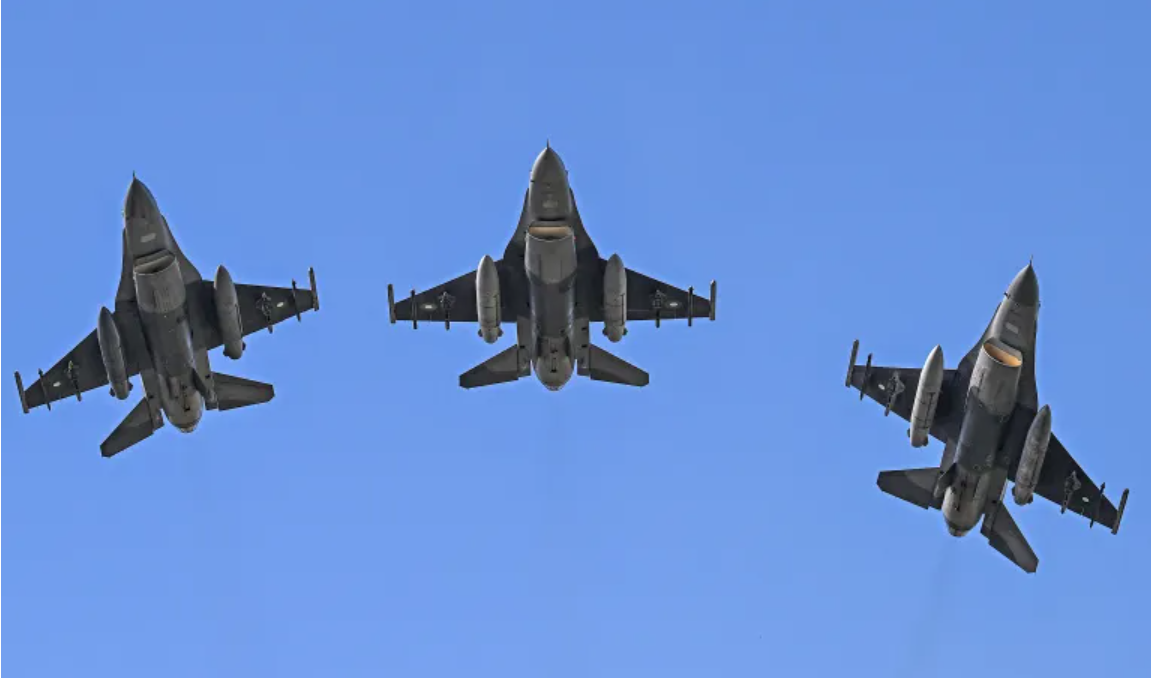
US Greenlights Major F-16 Sustainment Package
The Donald Trump administration has formally notified the US Congress of a proposed Foreign Military Sale to Pakistan worth $686 million, intended for the sustainment and modernization of its F-16 fighter jet fleet. The package, submitted by the Defense Security Cooperation Agency (DSCA) on December 8, 2025, covers an extensive inventory of items, including advanced avionics updates, secure communications equipment, spare parts, logistical support, and critical systems like the Link-16 tactical data link.
According to the DSCA, the package is vital for enhancing interoperability with US and allied forces in counter-terrorism operations and for addressing “critical flight safety concerns,” ensuring Pakistan’s Block-52 and Mid-Life Update F-16s remain operational until at least 2040. The proposal has now entered a mandatory 30-day Congressional review period.
India Questions Timing and Scope of the Upgrade
While the US insists the deal involves no new offensive capabilities and “will not alter the basic military balance in the region,” the approval has immediately triggered deep-seated security concerns in India. The sheer scale and specific contents of the $686 million package—the largest such proposal from the Trump administration—is viewed with intense scrutiny in New Delhi.
Indian defence analysts point out that the list of upgrades, which includes cryptographic modules, mission-planning systems, ground-based test equipment, and secure communications gear (like 92 Link-16 data link systems), aligns suspiciously closely with the kind of infrastructure and components that would require urgent replacement or repair following a major operational disruption. Experts speculate that the package is effectively a veiled method for the US to replace or restore capabilities lost by the Pakistan Air Force (PAF) during high-intensity air engagements, specifically those reported during “Operation Sindoor” earlier this year, in which Pakistan allegedly suffered F-16 losses and severe damage to its airbases and supporting communication networks.
Geopolitical Recalibration and Strategic Tension
The timing of the F-16 package is particularly sensitive, coming amid widening trade strains between India and the US, largely attributed to Trump’s protectionist tariff policies. Analysts view the approval as part of a broader strategic recalibration by Washington, prioritizing counter-terrorism cooperation and regional balance, even at the cost of causing friction with its primary Indo-Pacific partner, India.
The upgrade—which will integrate the PAF F-16 fleet into secure real-time data networks used by US and NATO forces—significantly enhances Pakistan’s command, control, and communication capabilities. For India, this translates to a more resilient and technologically advanced adversary, compelling the Indian Air Force to accelerate the integration of its own new platforms (like the Rafale) and strengthen indigenous air defence systems like the DRDO’s IADWS to maintain technological superiority. The approval underscores the persistent complexities of US South Asia policy, which continues to oscillate between India and Pakistan.