
Putin’s Hard Playbook: Russia Hits Turkish Ships Hours After Erdoğan Talk, Exposing Sharif in Diplomatic Snub
Russian Strikes on Turkish Vessels in Black Sea Ports Immediately Rebuff Peace Overture; Pakistan PM’s 40-Minute Wait Highlights New Global Power Hierarchy
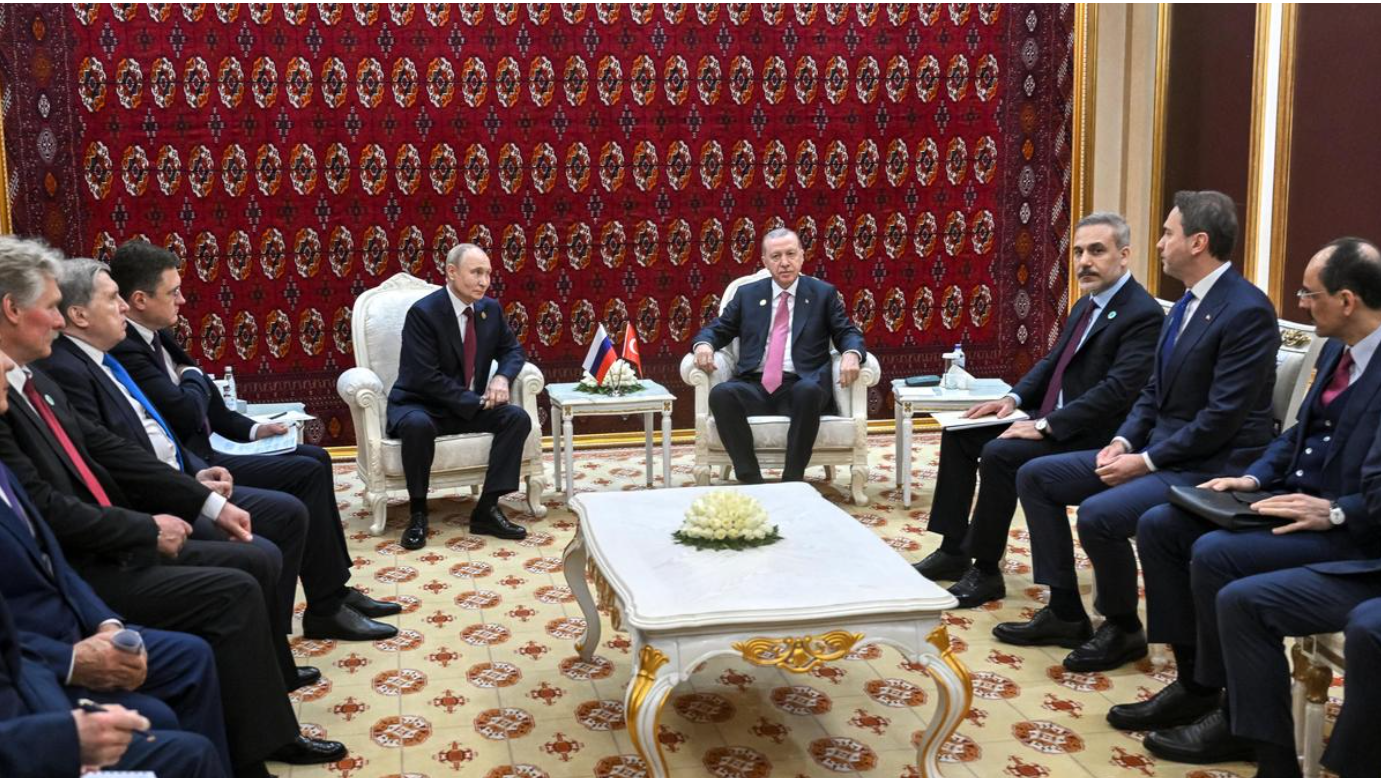
Russia Immediately Rejects Erdoğan’s Ceasefire Call with Black Sea Strikes
In a stark display of power politics, the Russian military escalated its maritime campaign in the Black Sea just hours after Turkish President Recep Tayyip Erdoğan personally called for a cessation of attacks on ports and energy infrastructure during his meeting with President Vladimir Putin in Ashgabat. Russian forces launched a coordinated barrage of drones and missiles targeting the Ukrainian port region of Odesa and Chornomorsk.
The strikes inflicted significant damage on at least three Turkish-owned commercial vessels, including one cargo ship carrying food supplies, which caught fire. Subsequent reports from the Ukrainian Navy confirmed a further Russian drone strike on a Turkish vessel carrying sunflower oil in the Black Sea. This calculated military action, coming on the heels of Erdoğan’s direct diplomatic plea, is viewed by analysts as a deliberate and powerful rejection of Turkish mediation, underscoring Russia’s current preference for military escalation over diplomatic de-escalation in the vital maritime region.
Pakistan’s PM Shehbaz Sharif Faces Public Humiliation
Adding to the complexity of Russia’s hard-edged diplomacy was the parallel incident involving Pakistani Prime Minister Shehbaz Sharif at the same Ashgabat summit. Sharif was reportedly kept waiting for more than 40 minutes for a bilateral meeting with President Putin. Growing visibly frustrated, the Pakistani delegation, led by Sharif, committed a significant diplomatic blunder by attempting to “gatecrash” the closed-door meeting already underway between Putin and Erdoğan.
The unceremonious entry and swift, awkward exit of the Pakistani delegation, captured and circulated widely in Russian media, served as a profound public humiliation. The incident cemented the perception that Pakistan has been strategically sidelined by Moscow, which now reserves its diplomatic capital for nations—like Turkey and India—that offer significant strategic or energy leverage.
A Clear Message on Global Priorities and Power
These interconnected events illustrate a clear message from the Kremlin: Russia will continue to pursue its strategic goals, even if it means publicly rebuffing key partners and humiliating others. The striking of neutral, NATO-linked Turkish vessels—a direct challenge to Ankara’s Black Sea influence—signals that Moscow prioritizes its military objectives over maintaining a comfortable diplomatic balance.
The contrast between the active diplomatic engagement with Erdoğan (albeit followed by a military rebuff) and the outright snub of Shehbaz Sharif underscores a new, pragmatic hierarchy in Putin’s foreign policy. While Turkey is a strategic partner whose proposals are immediately and aggressively countered, Pakistan is demonstrably being relegated to the status of a secondary state, confirming that diplomatic access is earned through strategic utility, not mere necessity.