Modi-Putin Oil Pact Neutralizes Trump Tariffs as India Ramps Up Russian Crude Purchases
Russia’s Mega-Discounts Fuel India’s Energy Security Drive; Imports Set for Six-Month High, Countering Financial Pressure from Washington
India’s Oil Imports Surge Despite US Tariff Pressure
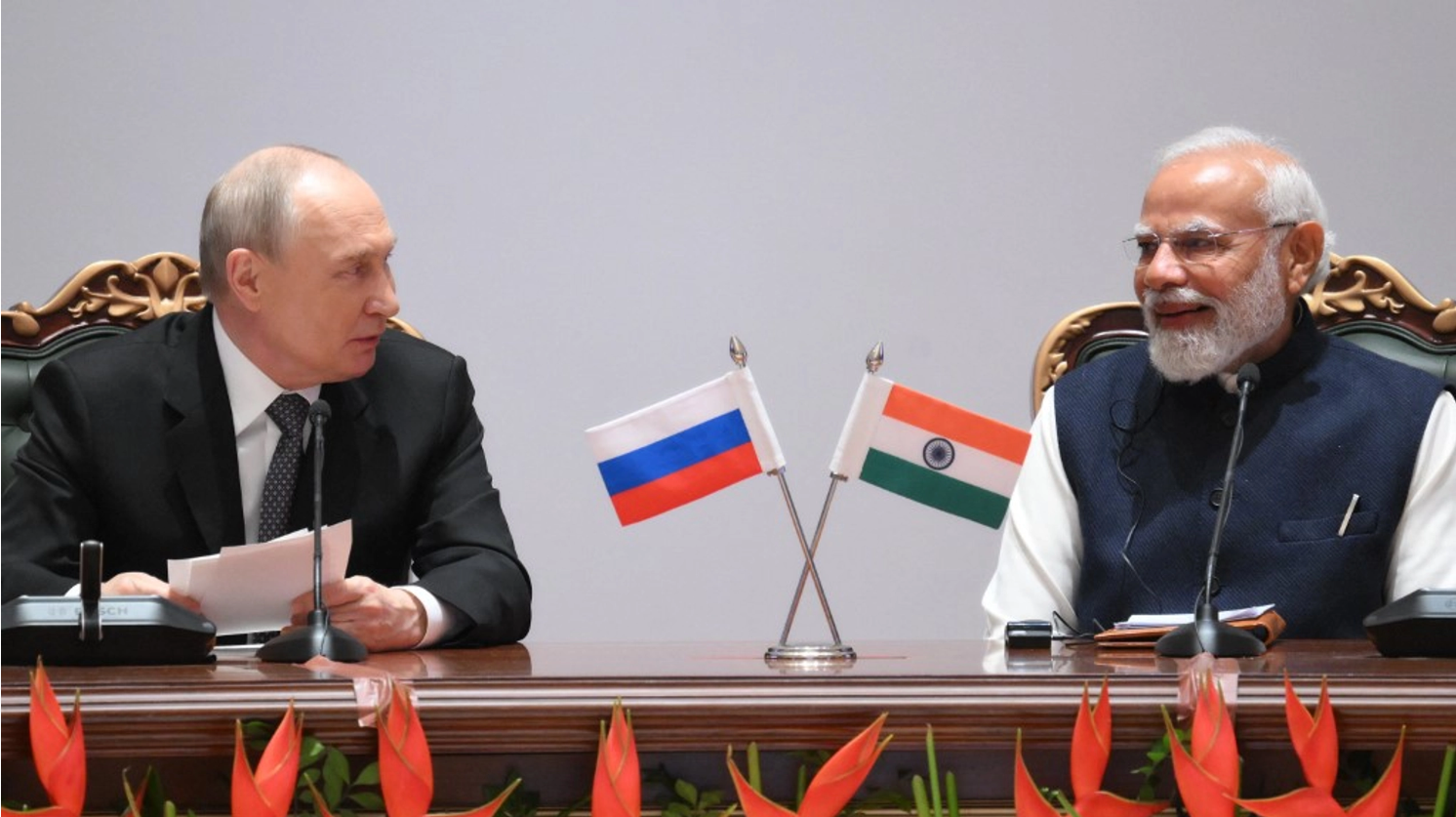
In a powerful demonstration of strategic autonomy, India is set to ramp up its crude oil imports from Russia to a six-month high in December 2025, defying the economic coercion imposed by the Donald Trump administration. The projected surge to approximately 1.85 million barrels per day (bpd) follows the recent high-profile summit between Prime Minister Narendra Modi and Russian President Vladimir Putin, which solidified their energy and defence partnership.
This aggressive purchasing strategy by Indian refineries, particularly the State-owned companies, is a direct response to the punitive 50% tariffs levied by the US on Indian goods—a penalty explicitly linked to India’s continued sourcing of discounted Russian crude. New Delhi views the increased imports as a crucial measure to ensure energy security and provide affordable fuel for its vast population, arguing that the economic benefit derived from the discounted oil largely neutralizes the financial impact of the US trade duties.
Russia Offers Deeper Discounts to Secure Buyers
The renewed surge in Russian oil imports is underpinned by Moscow’s strategy to widen discounts to attract its largest Asian buyers, India and China, amidst fresh US sanctions on key Russian oil producers like Rosneft and Lukoil. These deepened price cuts provide Indian refiners with a substantial economic incentive, validating the government’s stance that the cost-benefit analysis favors continued purchases.
During the New Delhi summit, President Putin publicly defended India’s sovereign energy choices, questioning Washington’s right to impose tariffs while the US and its allies continue to engage in other forms of trade with Russia. This political endorsement, coupled with the steep discounts, has given the Indian government the necessary diplomatic cover to proceed with its “economy-first” approach.
Trade-Offs and Geopolitical Implications
While private refiners like Reliance Industries have shown caution to safeguard their Western export markets, State-owned refiners are heavily driving the current volume increase, prioritizing national energy needs over the risk of potential secondary sanctions. The Ministry of External Affairs has consistently stated that its priority remains the affordability of energy for its 1.4 billion people, not succumbing to external political pressure.
This strategic move showcases India’s commitment to maintaining its multilateral foreign policy and leveraging geopolitical rivalries to its economic advantage. By offsetting the financial losses from Trump’s high tariffs with the substantial savings from Russian oil discounts, New Delhi has effectively diminished the leverage Washington held, signaling that external economic pressure will not dictate India’s fundamental energy policy. The policy is a clear strategic check against US attempts to disrupt India’s access to stable, affordable energy supplies.