
‘They Will Be Net Losers’: Jaishankar Warns US and Europe Over Immigration Roadblocks
EAM Cautions Western Powers That Restricting Skilled Talent Undermines Their Own Growth, Links Anti-Immigration Stance to Past Business Relocation Choices
Introduction
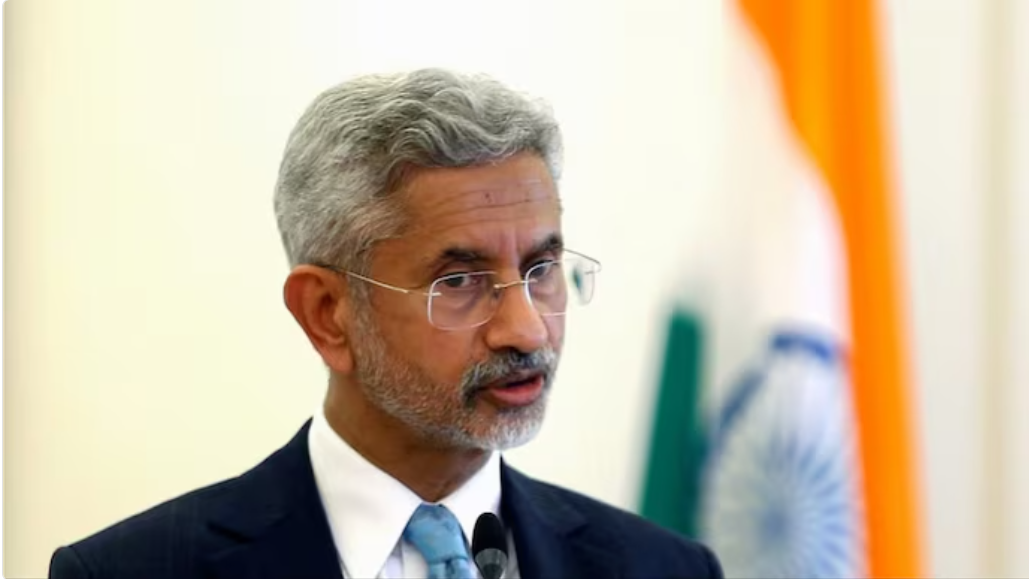
External Affairs Minister Dr. S. Jaishankar delivered a clear and direct Jaishankar Immigration Warning to the United States and European nations at the India’s World Annual Conclave 2025. He cautioned that rising restrictions on skilled immigration would ultimately harm Western economies rather than protect them. According to him, talent mobility is not a zero-sum game but a mutually beneficial driver of innovation and growth.
The Real Crisis: Policy Choices, Not Mobility
Dr. Jaishankar emphasized that the backlash against skilled immigration in Western countries is misplaced. He argued that the real economic problems in the US and Europe are rooted in policy choices, not in the movement of global talent.
Past Strategic Decisions to Blame
The minister pointed out that over the past two decades, Western governments “very consciously and deliberately allowed their businesses to relocate.” The resulting economic and political tensions are a consequence of their own strategic decisions—not because skilled foreign professionals are entering their job markets.
Freedom of Movement Is a Democratic Value
Highlighting India’s democratic principles, Jaishankar added that the country cannot restrict its own citizens from seeking opportunities abroad:
“We can’t tell people not to go out to work. There’s a freedom of movement.”
He reiterated that dismantling unnecessary barriers is crucial for shared global growth.
The Structural Need for Global Talent
Looking ahead, Dr. Jaishankar explained why the Jaishankar Immigration Warning should be taken seriously by the West. As advanced economies move toward high-technology services and modern manufacturing, their demand for specialized talent will rise sharply.
Aging Populations and Skill Shortages
Western societies face an inevitable structural problem—aging populations, shrinking workforces, and slow skill development. This reality makes skilled immigration not just beneficial but a geopolitical necessity for maintaining economic competitiveness.
Talent Cannot Be Created Overnight
Jaishankar highlighted this point clearly:
“As we move into an era of advanced manufacturing, we will need more talent, not less, and talent cannot be developed organically at a high rate.”
Restricting skilled visas today directly undermines the future growth potential of the US and Europe.
Conclusion
The Jaishankar Immigration Warning serves as a critical reminder for Western policymakers: blocking the flow of skilled professionals is counterproductive. In a world driven by innovation and technology, talent mobility is essential. Countries that restrict it risk falling behind in economic strength, competitiveness, and global influence.