
‘Atmanirbhar Bharat’ Prevails: India Scraps Multi-Billion NASAMS Deal, Backs Indigenous DRDO Air Defence System
New Delhi Drops Costly US Missile Plan in Favour of Homegrown IADWS, Signalling Major Thrust Towards Defence Self-Reliance
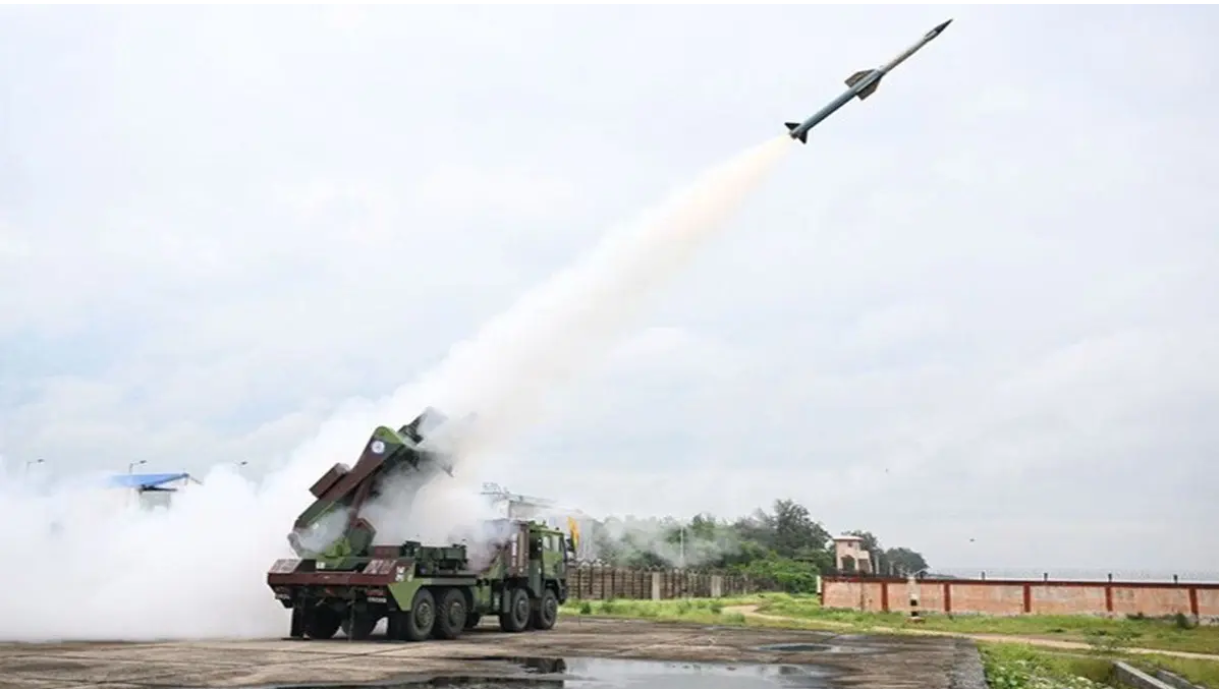
India Abandons NASAMS-II Acquisition Plan
In a powerful demonstration of the ‘Atmanirbhar Bharat’ (self-reliant India) defence mandate, the Ministry of Defence has formally dropped the multi-million dollar plan to acquire the US-made National Advanced Surface-to-Air Missile System (NASAMS-II). The deal, which was in negotiation for several years and was estimated to cost nearly $1 billion, was intended to provide a dedicated, layered missile defence shield over vital national assets, including the National Capital Territory (NCT).
Senior defence sources confirmed that the acquisition was shelved primarily due to the “very high price” quoted by the American suppliers (RTX/Kongsberg) and, more importantly, the increasing operational maturity of India’s indigenous alternatives. The decision marks a significant pivot away from foreign defence systems and a major victory for India’s domestic research and development ecosystem.
DRDO’s IADWS Steps into the Void
The primary replacement for the NASAMS-II requirement is the indigenously developed Integrated Air Defence Weapon System (IADWS), designed by the Defence Research and Development Organisation (DRDO). The IADWS has recently achieved key developmental milestones, including successful maiden flight-tests in August 2025 off the coast of Odisha, demonstrating its multi-layered capability.
The IADWS is not a single missile system but a cohesive, layered shield integrating multiple indigenous weapons under a Centralized Command and Control Centre:
- Quick Reaction Surface-to-Air Missiles (QRSAM): For engaging high-speed threats up to 30 km.
- Very Short Range Air Defence System (VSHORADS): For neutralizing close-range threats like drones.
- Directed Energy Weapon (DEW): A high-power laser system capable of destroying drones and loitering munitions, positioning India among a select few nations with this technology.
This layered architecture is now being prioritized by the Indian military to protect critical infrastructure against modern threats, including drone swarms and low-flying aircraft—the very threats the NASAMS was intended to counter.
A New Era of Indigenous Defence Dominance
The cancellation of the NASAMS deal underlines the government’s firm resolve to prioritize indigenous solutions over expensive imports, even from key strategic partners like the United States. This decision not only saves crucial foreign exchange but also provides a guaranteed order book for domestic Public Sector Undertakings (PSUs) and private sector partners involved in the IADWS production.
Furthermore, the decision aligns with the strategic necessity to avoid dependency on foreign countries for the use or maintenance of critical defensive assets, a lesson learned from past geopolitical tensions. With the Indian Air Force already integrating the Russian S-400 Triumf for long-range defence, the DRDO’s IADWS is positioned to fill the critical short-to-medium range gap using completely homegrown technology, thus fortifying India’s sovereignty in defence architecture.