
🇵🇰 Trump’s Gaza Gamble: US Pressure Mounts on Asim Munir for Pakistani Troop Deployment
Washington Targets Islamabad for Key Role in ‘International Stabilization Force’; General Munir Weighs Economic Aid Against Domestic Backlash
The Strategic Demand: Trump’s 20-Point Plan for Gaza
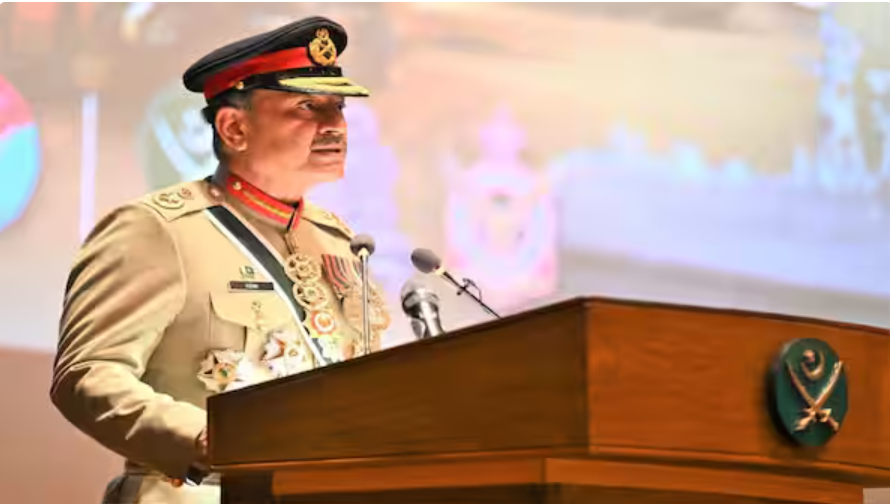
In a move that has sent shockwaves through the GHQ in Rawalpindi, the Trump administration has reportedly identified Pakistan as a primary troop contributor for the newly proposed International Stabilization Force (ISF) in Gaza. According to diplomatic sources, President Donald Trump has held at least three high-level meetings with Field Marshal Asim Munir over the last six months, pushing for a commitment of Pakistani “boots on the ground.”
The ISF is intended to be the transitional security apparatus for Gaza following the 2025 ceasefire. Trump’s vision relies on a coalition of Muslim nations to provide security and reconstruction oversight. However, the mandate—which includes the demilitarization of Hamas—remains a toxic prospect for any Muslim-majority nation, especially Pakistan.
Field Marshal Asim Munir’s High-Stakes Dilemma
Field Marshal Asim Munir, who recently secured lifetime immunity and extended powers through constitutional amendments, is facing his toughest test yet. The US has reportedly linked future security assistance and economic investment to Pakistan’s participation in the Gaza mission. With Pakistan’s economy remaining fragile, the pressure to appease Washington is immense.
However, the internal risk is even greater. Analysts warn that deploying Pakistani soldiers to Gaza would be seen by the public as “doing Israel’s bidding.” Religious parties and opposition groups have already begun mobilizing, suggesting that any such deployment would be met with nationwide civil unrest. “Munir is between a rock and a hard place,” says South Asia analyst Michael Kugelman. “To reject Trump is to risk economic isolation; to accept is to risk a domestic firestorm.”
The Disarmament Conflict: ‘Not Our Job’
The biggest hurdle remains the operational mandate of the ISF. Pakistan’s Foreign Office recently clarified its stance, emphasizing that while Islamabad supports peace, it is not prepared to take on a policing role that involves fighting Palestinian resistance groups.
“Disarming Hamas is not our job,” stated Foreign Minister Ishaq Dar during a recent press briefing.
As the US Central Command (CENTCOM) concludes its latest conference in Doha to finalize the ISF structure, all eyes remain on Rawalpindi. If Pakistan yields to the pressure, it would mark a historic shift in its foreign policy; if it refuses, it may face the transactional wrath of a Trump administration that expects its “strategic partners” to deliver results.