
India’s NOTAM Masterstroke: 5 Chinese Spy Ships Outfoxed in High-Stakes Indian Ocean Maneuver
New Delhi Blinds Beijing’s Surveillance Fleet to Secure K-4 SLBM Data; Why India’s Sub-Surface Nuclear Strike Range Has Xi Jinping Concerned
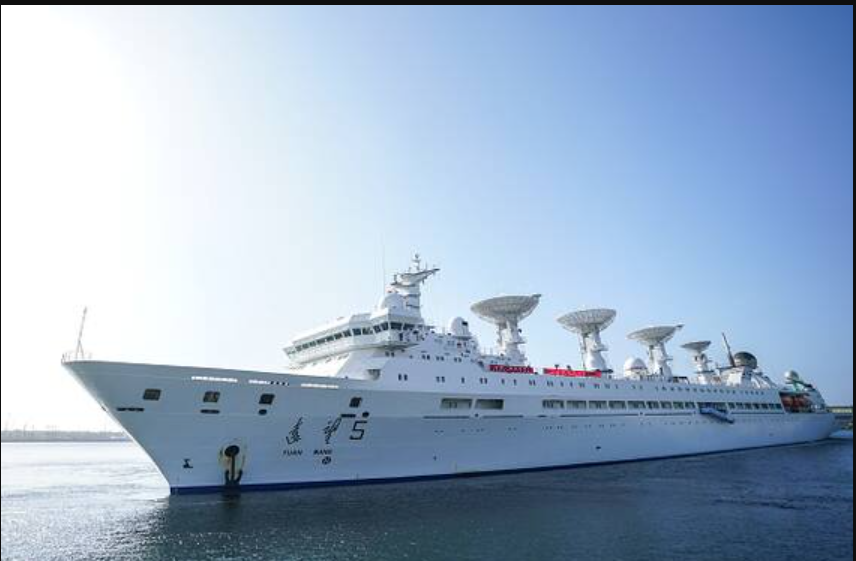
India Weaponizes NOTAMs to Blind Chinese Snoopers
In a significant display of “electronic and strategic warfare,” the Indian Navy and DRDO have successfully outplayed a massive Chinese surveillance fleet in the Indian Ocean. In December 2025, India issued a series of shifting Notice to Airmen (NOTAM) alerts, creating a complex web of “no-fly zones.” This tactical deception successfully misled five high-tech Chinese spy ships, including the Yuan Wang class and Shi Yan 6, which had moved into the Bay of Bengal to intercept sensitive data.
By cancelling initial long-range alerts and issuing shorter, decoy windows, India forced the Chinese vessels to loiter in incorrect maritime corridors. This NOTAM strategy ensured that the telemetry and acoustic signatures of India’s latest missile trials remained classified, denying Beijing the critical data needed to develop countermeasures against India’s nuclear triad.
Why Xi Jinping Fears DRDO’s K-4 SLBM
The primary target of Chinese snooping is the DRDO K-4 Submarine Launched Ballistic Missile (SLBM). Developed as the backbone of India’s sea-based deterrence, the K-4 boasts a strike range of 3,500 km. Unlike land-based Agni missiles, which can be tracked via satellite, the K-4 is launched from the Arihant-class nuclear submarines (SSBNs).
President Xi Jinping’s concern stems from the fact that the K-4 allows the Indian Navy to hold all major Chinese industrial and political hubs at risk from the safety of the “bastion” in the Bay of Bengal. This second-strike capability means that even if India’s land-based assets are neutralized in a first strike, the K-4 can deliver a devastating retaliatory blow. This “survivable deterrent” effectively checkmates China’s “No First Use” skepticism and establishes a new strategic parity in the Indo-Pacific.
Dominating the Indian Ocean: A Shift in Power
The success of this operation marks a turning point in the India-China maritime rivalry. By combining advanced missile technology with sophisticated counter-surveillance tactics, India has proved it can operate its strategic assets even under the intense gaze of the world’s largest naval power.
As India scales up its SSBN fleet—including the newly commissioned INS Arighat—the integration of the K-4 missile completes the most vital leg of its nuclear triad. This development ensures that the Indian Ocean remains “Indian” in strategic terms, providing a robust wall against China’s growing presence in the region.