Dual Front Legal and Congressional Firestorm Engulfs Trump Administration Over India and H-1B Policies
Coalition of 20 States Challenges ‘Unlawful’ $100,000 H-1B Fee While US Lawmakers Push to Terminate ‘Damaging’ 50% Tariffs on Indian Imports
Trump’s India Policy Challenges: States Decry H-1B Fee as ‘Illegal Tax’
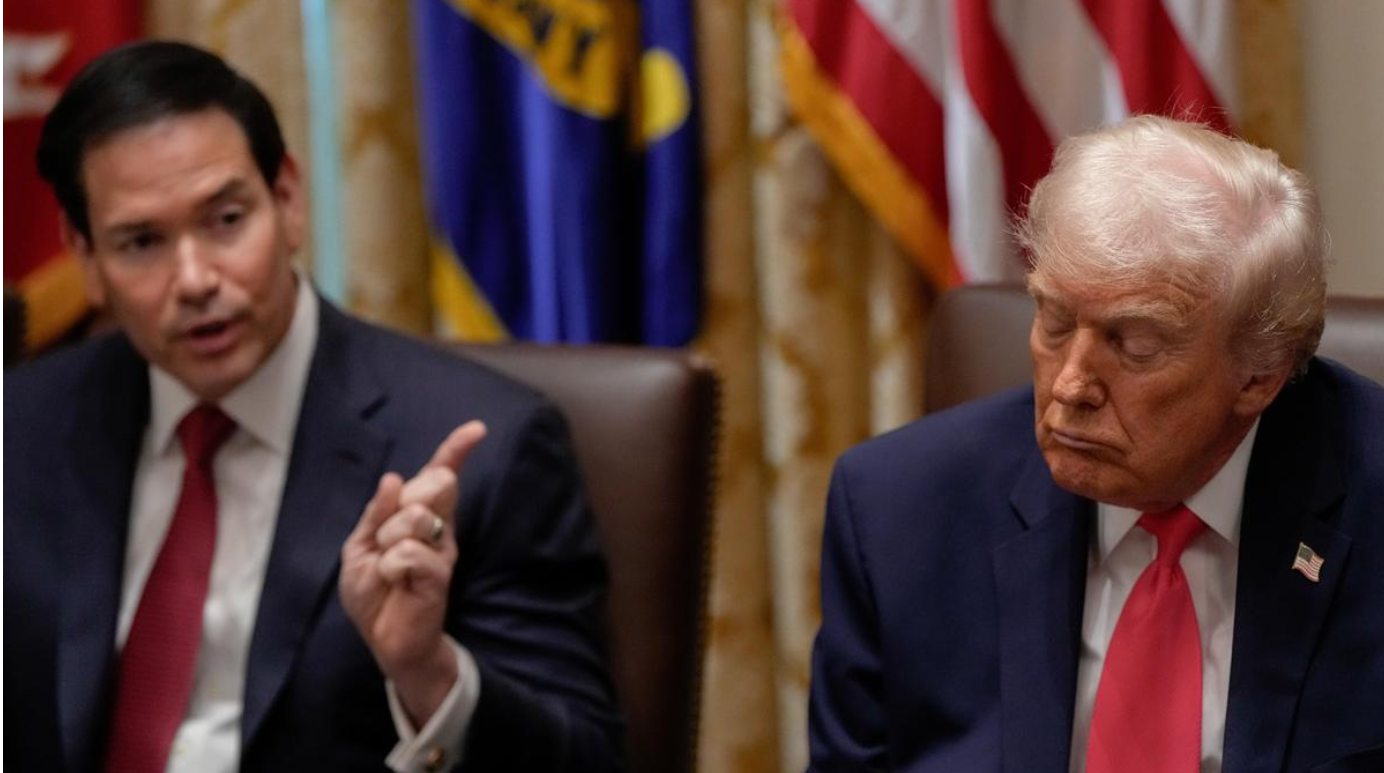
The administration of President Donald Trump is facing intense domestic opposition on two critical foreign policy fronts this week, centered on its hardline stances regarding skilled immigration and trade with India. A coalition of nearly 20 U.S. states, spearheaded by Attorneys General from California and New York, has filed a major lawsuit challenging the newly imposed $100,000 fee on new H-1B visa petitions.
The states argue that the steep fee, introduced by a presidential proclamation in September 2025, is unlawful, exceeds executive authority, and was implemented without the legally required administrative procedure. Attorneys General assert that the colossal charge is designed not to regulate but to “dismantle” the program, creating an insurmountable financial burden for employers—especially public sector institutions like hospitals, universities, and public schools—that rely on high-skilled foreign workers to fill critical shortages in fields like healthcare and education. This legal challenge underscores the deep political and economic divisions within the U.S. over the role of skilled immigration.
Congressional Resistance to ‘Irresponsible Tariff Strategy’
Simultaneously, the administration’s trade policy towards a key strategic partner is under direct attack in the U.S. Congress. A group of influential House lawmakers, primarily Democrats, has introduced a formal resolution aimed at terminating the President’s declaration of a national emergency that was used to impose tariffs of up to 50 percent on Indian imports.
These legislators contend that the tariffs, which piled duties onto Indian-origin goods, are counterproductive, illegal, and directly harm American businesses and consumers by disrupting supply chains and driving up costs. The move signals a growing resistance within the legislature to the President’s use of emergency powers for trade measures, with lawmakers arguing the policies damage the long-term, bipartisan US-India strategic partnership, particularly when global alignments are shifting. Critics warn that these dual actions—the punitive visa fee and the high tariffs—risk alienating India at a crucial geopolitical moment.